
Ireland, with its emerald landscapes, rugged coastlines, and rich culture, offers an unforgettable experience for travelers seeking adventure and tranquility alike. Whether you’re drawn to the dramatic cliffs of the Wild Atlantic Way or the serene beauty of its green rolling hills, Ireland’s diverse scenery is best explored at your own pace.
Embarking on a motorhome journey through Ireland allows you to immerse yourself in the country’s natural beauty while enjoying the comforts of home on the road. From the bustling streets of Dublin to the quiet beaches of Donegal, a campervan offers the freedom to discover hidden gems and iconic landmarks. Ireland and the Wild Atlantic Way can also be enjoyed by a hire car road trip and this blog is based on our own personal Motorhome experience, but a lot of the attractions, information and costs can be applied to a self-drive rental car road trip all the same.
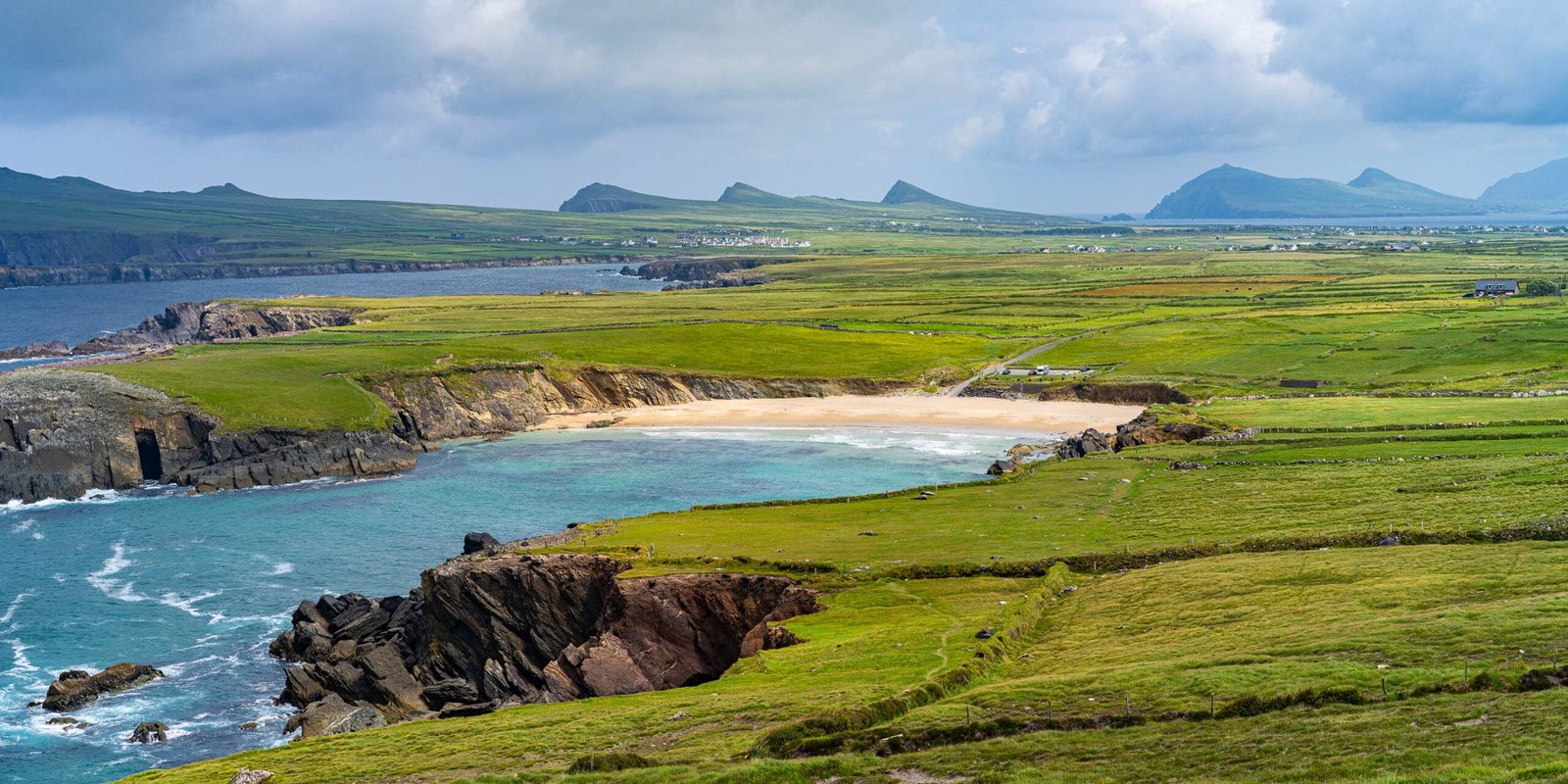
If you’re planning your own Irish adventure, be it Motorhome or Hire Car, this guide will walk you through everything we learned along the way. Inside you’ll find our full itinerary broken down into easy-to-follow sections, a detailed Google Map with all our stops and recommendations, practical tips for travelling Ireland, real costs, our favourite campsites and attractions, and advice on getting to Ireland—whether you’re flying in and hiring a car, renting a campervan, or bringing your own vehicle across by ferry, everything you need for an unforgetable trip to Ireland. It’s the blog I wish I had before planning our trip!
When to Visit Ireland
The optimal time for a motorhome trip in Ireland is during the spring months, particularly April to June. Spring brings mild temperatures, blooming landscapes, and fewer tourists, allowing for a more relaxed and intimate experience. Summer (July and August) offers longer days and warmer weather but also attracts more visitors, especially to popular destinations. Autumn (September to October) is also a great choice, with cooler temperatures and vibrant fall colors.
Visa and Currency Information
Ireland is a part of the European Union, however not in the Schengen Zone. This means you can visit Ireland without taking up any of your precious 90 days allowed in the zone. For travelers from outside the European Union, it’s essential to check visa requirements before planning your trip. Ireland is part of the Common Travel Area with the UK, so UK citizens do not require a visa and neither to Australians. However, travelers from other countries should consult the Irish Naturalisation and Immigration Service for the most up-to-date visa information. Things are always changing, including new online ETA’s and EITAS (entry checks) so always do your research to find out what is the latest requirement.
Ireland’s currency is the Euro (€), and credit/debit cards are widely accepted. It’s advisable to have some cash on hand for smaller establishments or rural areas where card payments might not be available. We only had a couple of instances where we used cash but even then, this was a choice as we had cash available. It’s wise to carry a mix of cash and card, and always notify your bank of travel plans to avoid any issues.
Getting to Ireland and Getting Around
Travelling to Ireland is wonderfully straightforward, whether you’re arriving from the UK, Europe, or further abroad. If you’re flying in, the major airports — Dublin, Shannon, Cork, and Belfast — are well-connected internationally, and it’s easy to pick up a hire car at the airport to start exploring straight away. We use SkyScanner to find all of our flights and DiscoverCars for all our rental cars.
For those wanting a little more freedom, renting a campervan or motorhome once you arrive in Ireland is a fantastic way to experience the Wild Atlantic Way at your own pace, with plenty of campsites and overnight spots along the route. We use Motorhome Republic when we are hiring a Motorhome.
If you’re coming from the UK in your own car or camper, multiple ferry routes connect Britain and Ireland, including crossings from Wales, Scotland, and Liverpool. Some car-hire companies do allow UK rental cars onto ferries, but it’s usually simpler (and often cheaper) to travel as a foot passenger and hire a vehicle once you land in Ireland. This avoids extra insurance fees and makes the journey more flexible. We caught the overnight ferry from France to arrive in Dublin and that was brilliant. we find our ferry trips on Direct Ferries.
Motorhome Travel in Ireland
Traveling by motorhome in Ireland offers unparalleled flexibility. Numerous campsites, motorhome parks, and scenic spots cater to campervan travelers. It’s important to plan your route, considering the size of your vehicle and the accessibility of certain roads. Ireland’s narrow lanes and winding coastal routes can be challenging but are part of the charm that makes the journey memorable. Motorhome services for water fill and emptying points can be tricky to come by in some areas, but we generally were always able to find a service point. Because of this though, we did try to limit our water use and used a lot more public toilets than normal. Rubbish disposal was probably more of a problem than Camper services. It was very difficult to find anywhere to dispose of rubbish and/or recycling, we did have to search a lot for this so keep that in mind.

Wild Atlantic Way – 21 Day Itinerary
Day 1 – Dublin to Assaranca Falls
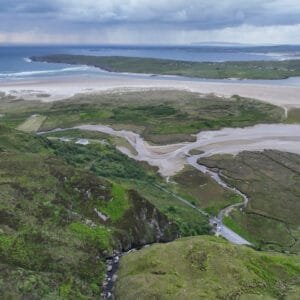
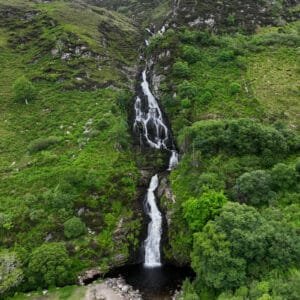
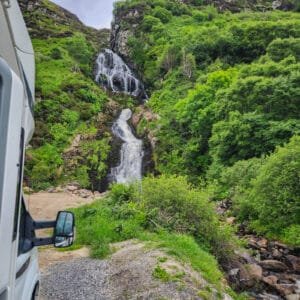
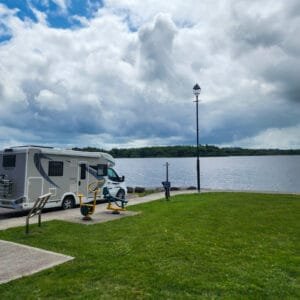
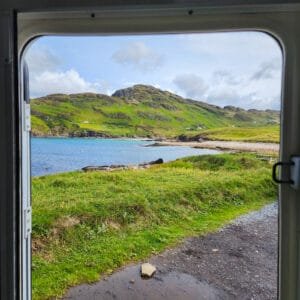
We left Dublin and made our way to Assaranca Falls (Eas Áirceanna), stopping for lunch at Lough Ramor along the way. The waterfall was a perfect first stop — an easy roadside walk of about 20m to a cascading pool, especially powerful after rain. We parked in the carpark, with views directly out the front windscreen for the night, ready to start our Wild Atlantic Way adventure.
Day 2 – Slieve League Cliffs & Muckross Head
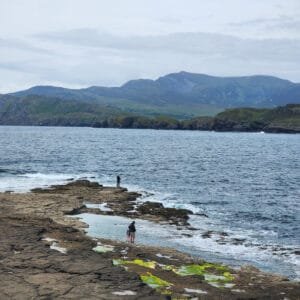
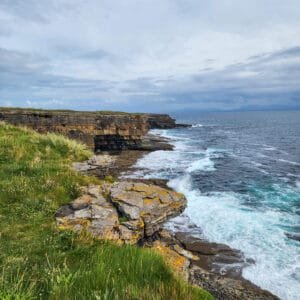
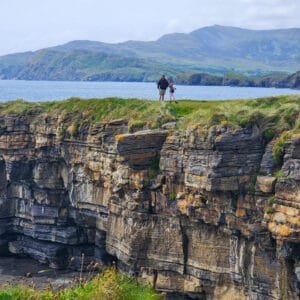
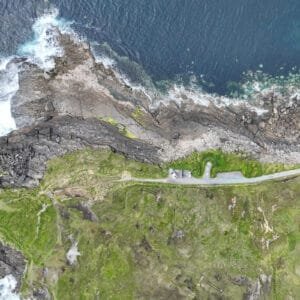
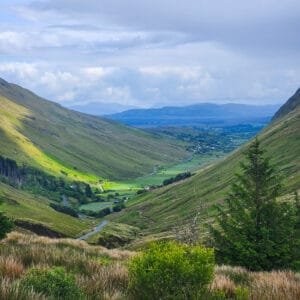
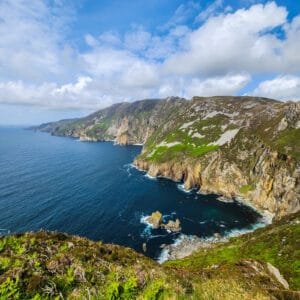
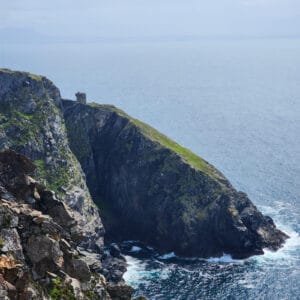
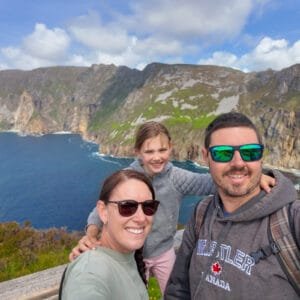
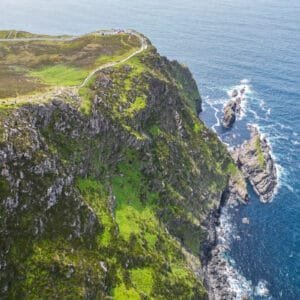
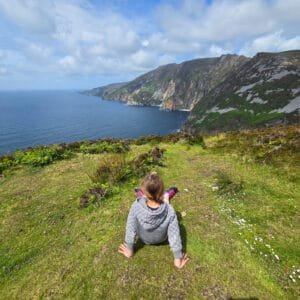
Our first full day along the WAW included a stop at Glengesh Viewing Point to admire the valley views before continuing to Slieve League Cliffs (Sliabh Liag), one of Europe’s highest sea cliffs at 601 meters. We walked approximately 3 km to the lookout points, soaking in the dramatic Atlantic views and cliff-edge ruins. Next, we stopped at Muckross Discovery Point, enjoying a quiet cliff walk, rock pools, and sunset views. The night was spent at the Crannagogue parking spot, a peaceful spot to rest.
Day 3 – Mullaghmore Head
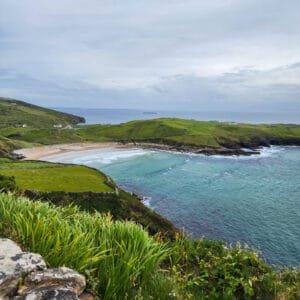
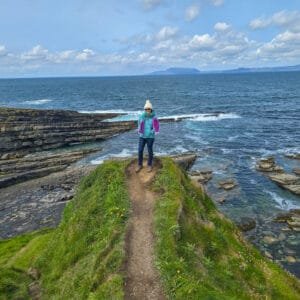
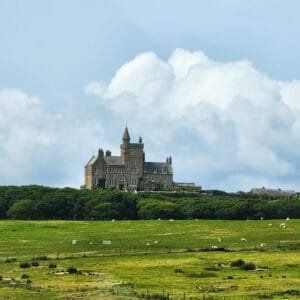
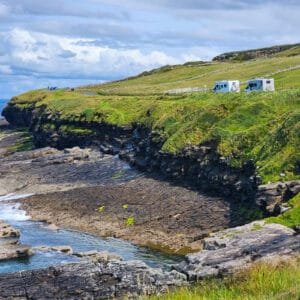
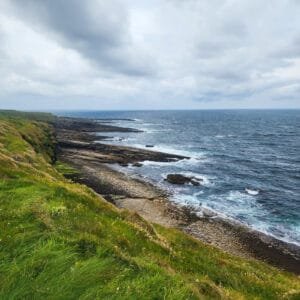
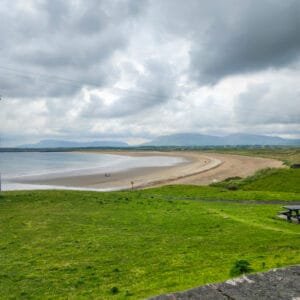
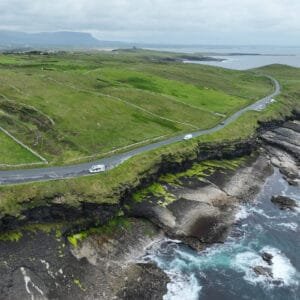
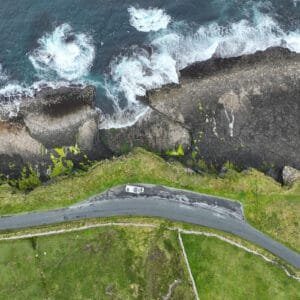
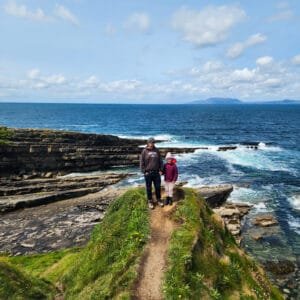
We drove to Mullaghmore Head, taking the scenic loop drive along the coast and stopping to admire Classiebawn Castle from a distance. The cliffs here are also a surfing hotspot, attracting big-wave enthusiasts when conditions are right. We found a roadside parking spot to stay overnight, enjoying the quiet coastal atmosphere and everything the Wild Atlantic Way is known for.
Day 4 – Benbulben Forest Walk & Glencar Falls
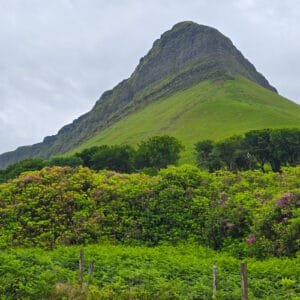
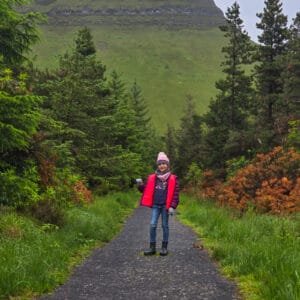
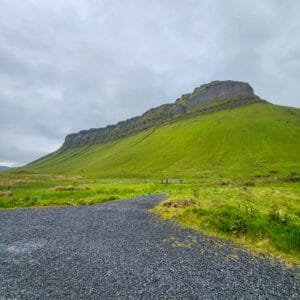
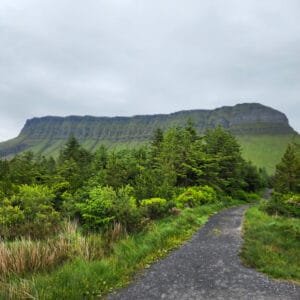
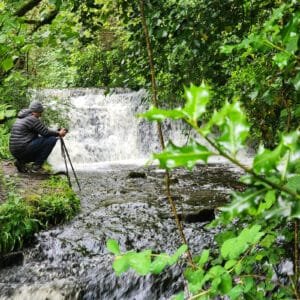
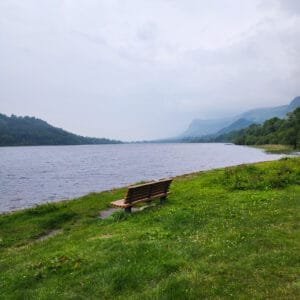
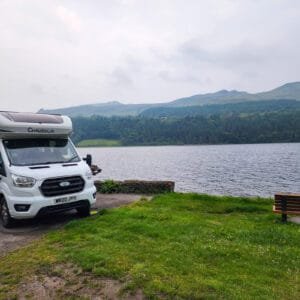
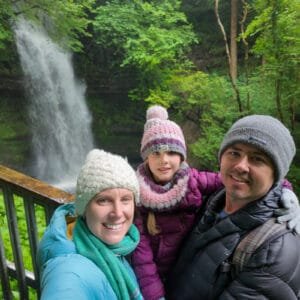
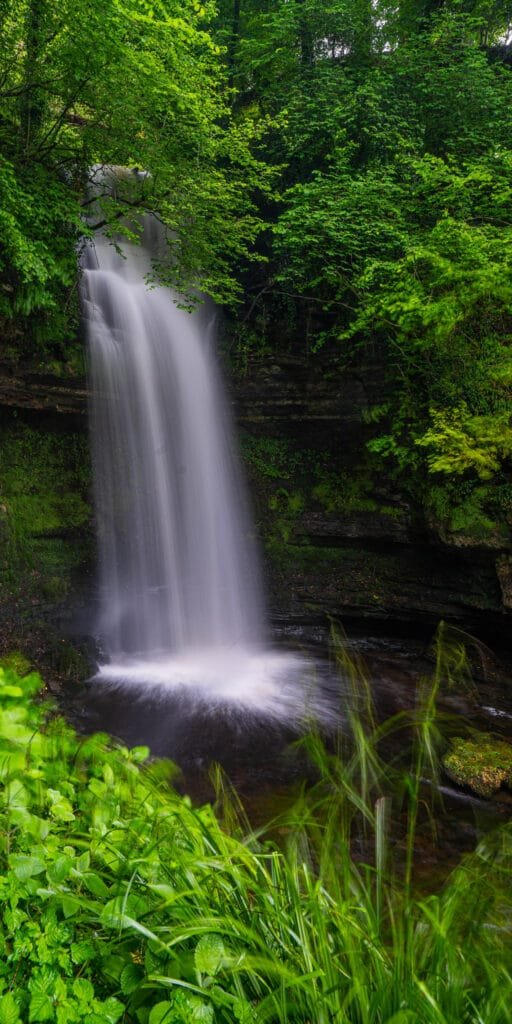
Day 4 began with the Benbulben Forest Walk (Gortawory, Binn Ghulbain). We did the lower trail, a 5.5 km loop through forest paths with stunning views of the cliffs and glimpses of the Atlantic. After the forest, we drove a short distance to Glencar Falls, completing the 0.7 km loop to the lookout platform. Later, we parked for the night at Glencar Lough, enjoying the peaceful scenery and watching sheep and lambs grazing nearby.

Day 5 – Devil’s Chimney Falls & Belmullet
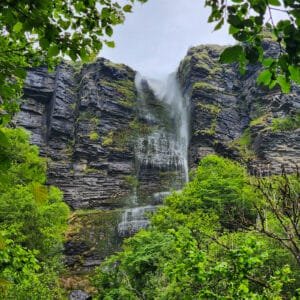
Just a couple of minutes drive from Glencar Lough and Falls is Devil’s Chimney Falls (Sruth in Aghaidh an Aird), so we started the day with a hike to the Falls, which is Ireland’s tallest waterfall at 150 meters. The 2.5 km forest trail included mossy trees, Shamrocks, poetry boards, and a lookout with views back to the Atlantic. Heavy rain followed just as we left the falls, so it was a drive day to Belmullet, where we used the free motorhome services for chores. For the night, we parked at the Trá Mullach Rua beach carpark, taking a brief sunset walk along the beach, discovering crabs and shells. Belmullet sits in a Gaeltacht region, so Irish is visible in signs and nearby villages.


Day 6 – Ballycroy Visitor Centre
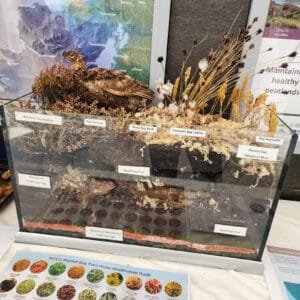
We stumbled upon the Ballycroy Visitor Centre on our drive, and what a gem it turned out to be. As Aussies, the word “bog” gave us a laugh — back home it means something quite different — but here, it’s something to be proud of! The famous Ballycroy Bog is part of the Ballycroy National Park, one of the largest expanses of active blanket bog in Europe, over 4,000 years old and vital for storing carbon, filtering water, and supporting unique wildlife.
Inside, we were greeted by a friendly staff member who happily explained the local ecosystem, answered all our questions, and introduced Aria to the Junior Ranger Scavenger Hunt. She had a great time following clues through the interactive exhibits and around the trail outside, discovering wooden carvings, and enjoying hilltop views before proudly earning her Ireland Junior Ranger badge. This is such a great kid friendly attraction while on the WAW and it became one of those spontaneous stops that ended up being a real highlight of our journey.





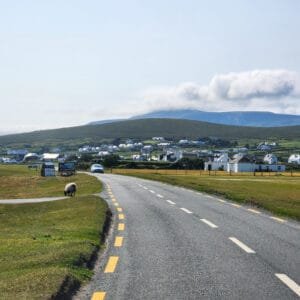
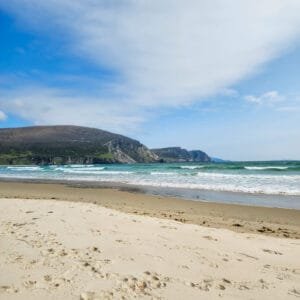
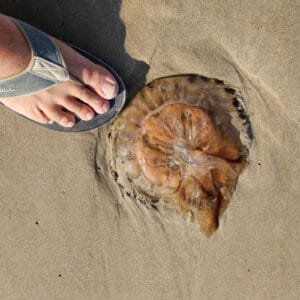
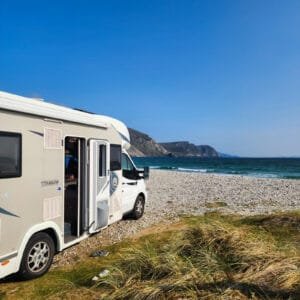
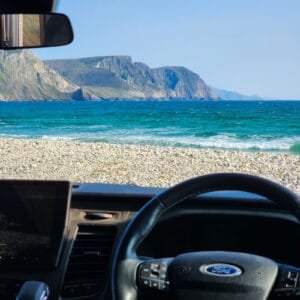
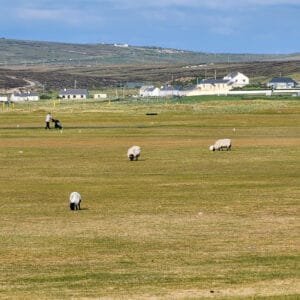
We continued with the beautiful drive through the surrounding countryside, to Achill Island and Keel Beach as our afternoon spot and camp for the night. We enjoyed afternoon tea on the beach, had ocean and rugged cliff views out the front windows, sheep for neighbours grazing around us and the locals were super friendly.
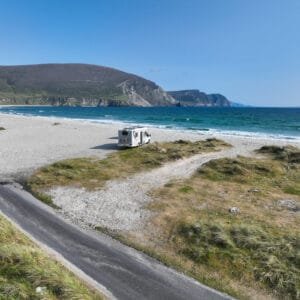
Day 7 – Achill Island White Cliffs, Sheefry Pass and Doolough Valley
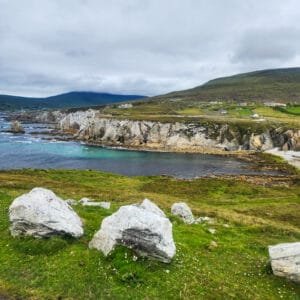
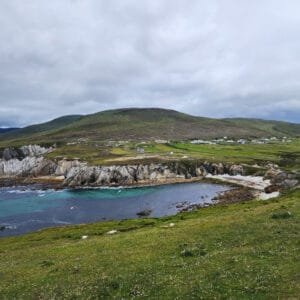
After leaving Keel Beach, we set off along the coast for a scenic drive around Achill Island’s famous White Cliffs. The winding road treated us to sweeping views of the Atlantic Ocean, dramatic cliffs, and rolling green hills that seemed to spill straight into the sea. Not the best weather, but it wasn’t raining, enough for us to get out for a look at a few of the Discovery Points.
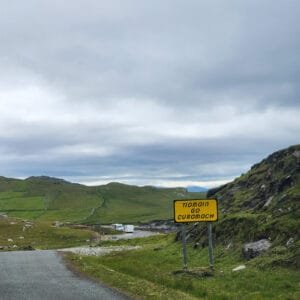
We continued on to Sheeffry Pass — a breathtaking but slightly nerve-wracking drive. This narrow, winding road was the first time we truly questioned our motorhome life choices! Barely wide enough for one vehicle, it wound through the rugged Sheeffry Hills with dramatic scenery on every bend. Thankfully, it was a quiet drive — just a few cyclists, plenty of sheep, and those endless Irish views. We stopped at the Tawnyard Lough Lookout picnic area for lunch and a quick sticky beak at the incredible scenery before descending the pass.
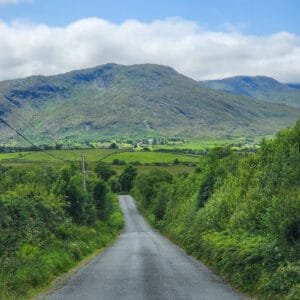
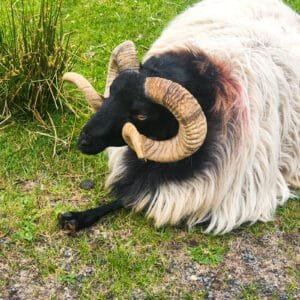
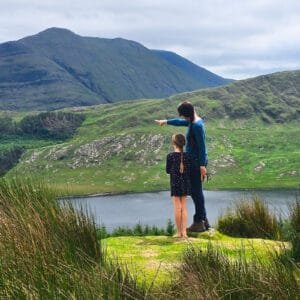
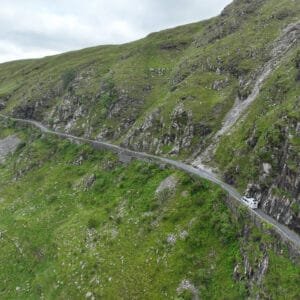
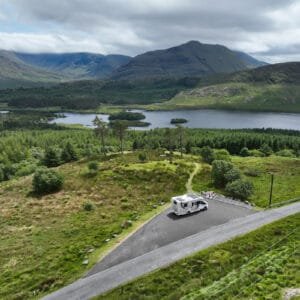
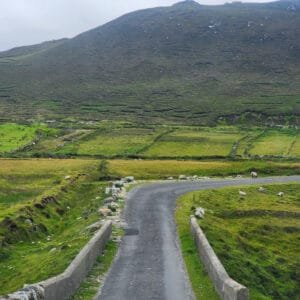
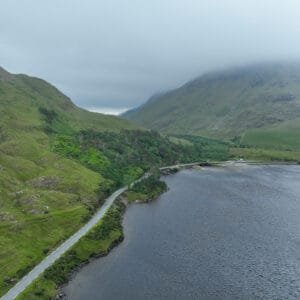
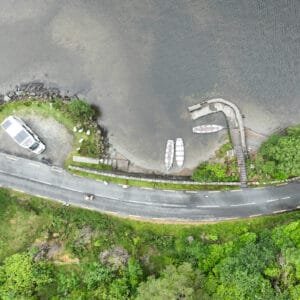
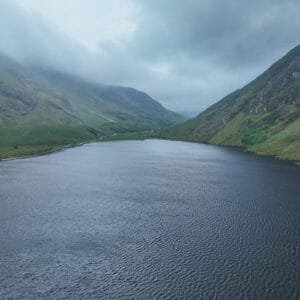
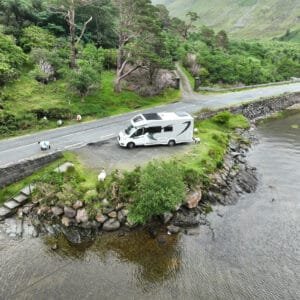
After lunch we descended into the stunning Doolough Valley, where rugged mountains frame a still, dark lough that perfectly reflects the changing Irish skies. We found a small gravel car park allowing 24-hour parking for self-contained motorhomes — an ideal overnight stop surrounded by nature. The rain drifted in and out through the afternoon, creating moody layers of mist over the water and hills. It was the perfect quiet end to a day of driving, with nothing but the sound of raindrops and the occasional bleat of a distant sheep.
Day 8 – Killary Fjord, Aasleagh Falls, Kylemore Abbey, Clifden Castle (Sky Loop Road)
After leaving Doolough Valley, we drove along Killary Fjord, Ireland’s only true fjord, stretching 16 km between the Maumturk Mountains and Mweelrea. The fjord offered dramatic coastal and mountain scenery, perfect for slowing down and taking photos. Our first stop was Aasleagh Falls, an easily accessible waterfall on the Erriff River — a quick and scenic photo opportunity.
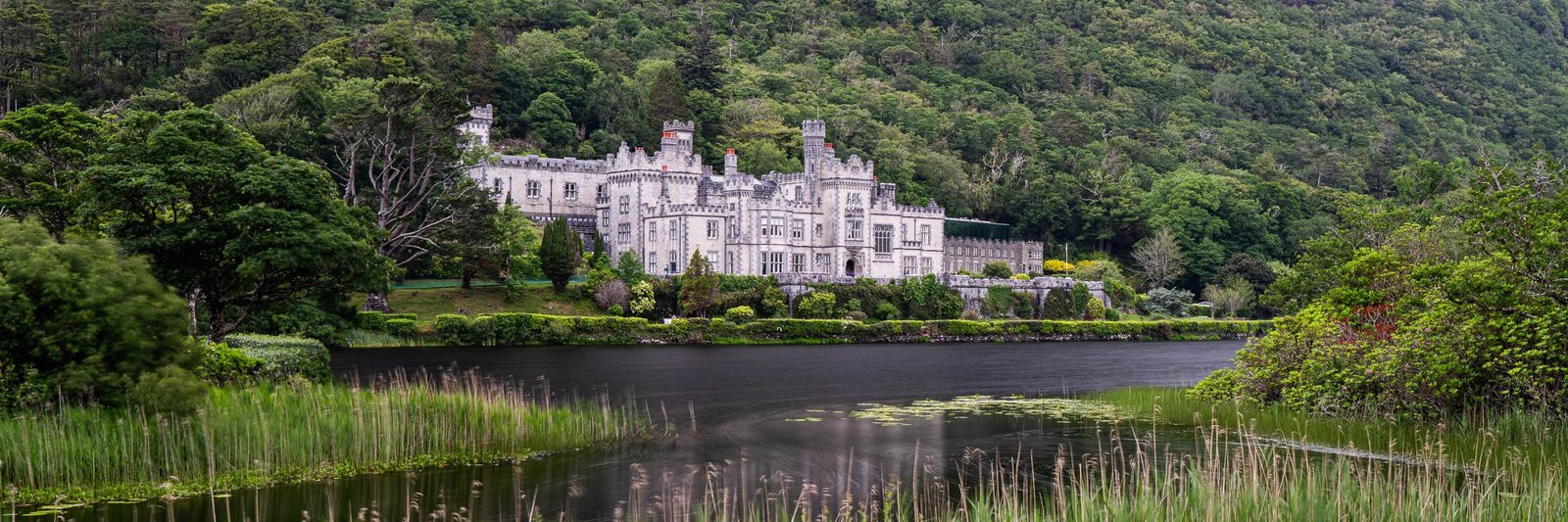
We then reached Kylemore Abbey, a neo-Gothic castle built in 1868 by Dr. Mitchell Henry as a romantic gift for his wife. Later, it became a Benedictine monastery in 1920, housing nuns who fled Belgium during World War I. We didn’t go inside, but the grounds are stunning, with a Victorian walled garden, Gothic church, and a lovely gift shop. Free parking made it easy to stop, and despite the crowds, we managed to enjoy the atmosphere and take in Dan’s beautiful landscape photo. If the weather had been better, we would have spent more time wandering the gardens and lakeside paths.
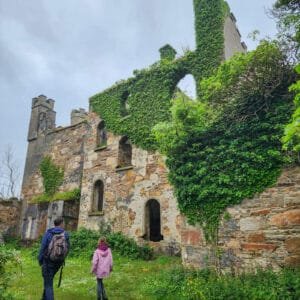
We continued on to our next stop for today, Clifden Castle, a striking Gothic Revival ruin on the edge of Clifden Bay. Built in the early 19th century by John D’Arcy, founder of Clifden, the castle once stood as a symbol of wealth and pride in Connemara. After the D’Arcy family’s financial struggles and the famine years, it eventually fell into ruin — but remains an atmospheric stop along the Wild Atlantic Way. We parked in a roadside island dedicated to castle visitors and walked through light rain to reach it, admiring the dramatic stone arches and imagining how grand it must have been in its time. Clifden Castle is part way along the Sky Loop Road and if you are in a car, we highly suggest taking this loop scenic drive, we have heard it is beautiful. From the research we did, we decided it really wasn’t a suitable road to take our Motorhome on, especially since it is such a popular road, that is narrow and not many pull-of opportunities.




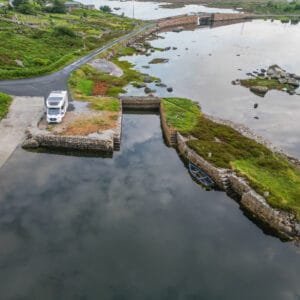
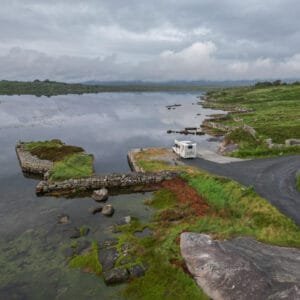
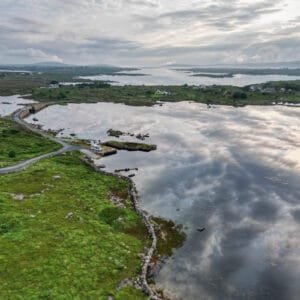
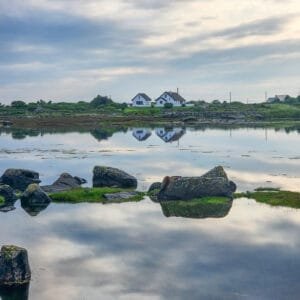
Our final stop for today was the tiny village of Muckanaghederdauhaulia – famous for having the longest place name in Ireland, which translates from Irish Gaelic to “pig marsh between two salt waters.” This little Connemara settlement consists of only a few houses, surrounded by quiet bogland and water views. We parked right beside the boat ramp for the night, with just the sounds of birds (and a few slugs) for company.
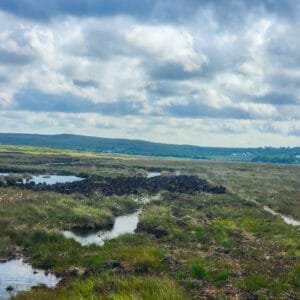
On the drive in and out of the village, we saw a local harvesting peat (turf) from the bog – slicing and stacking it into the traditional bricks used for fuel. Peat cutting has been part of Irish culture for centuries, though it’s now illegal to advertise peat for sale. Locals can still cut and use it personally or sell small amounts privately to neighbours, keeping this long-standing Irish tradition alive in a quiet, sustainable way.
Day 9 – Galway & Finn Lough
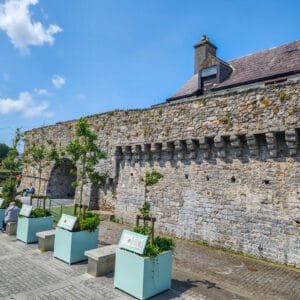
We made our way to Galway (Gaillimh), one of Ireland’s most energetic and artistic cities, and lucked out finding free street parking just a short 5-minute walk from the city centre. Our first stop was the Spanish Arch, a remnant of the old 16th-century city walls built to protect merchant ships unloading from Spain and beyond. Just beside it, the Galway City Museum turned out to be a real surprise — with plenty of hands-on exhibits that kept Aria entertained while teaching us all about Galway’s maritime history.
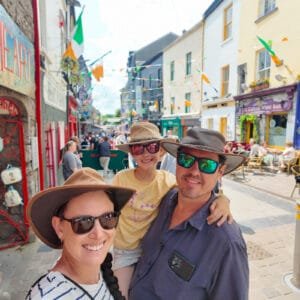
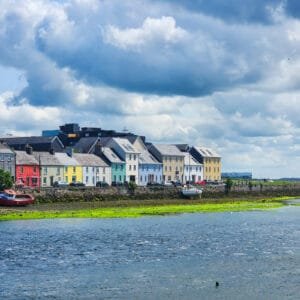
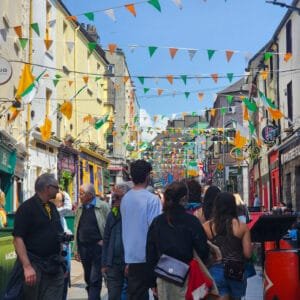
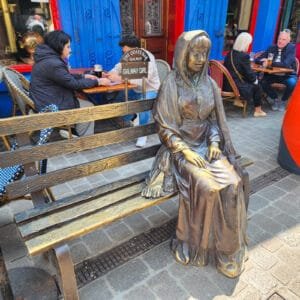
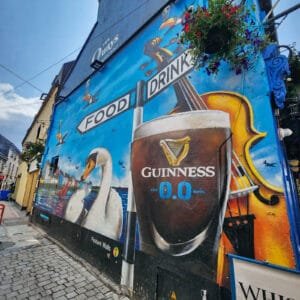
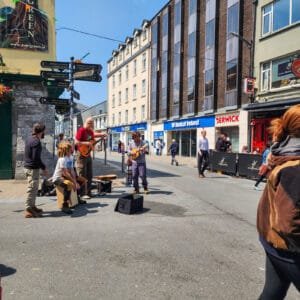
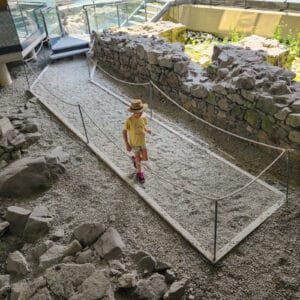
From there, we wandered into the Latin Quarter, the beating heart of Galway’s culture. We stopped by the “Galway Girl” statue, soaked up the lively street music, and admired the colourful shopfronts, pubs, and restaurants that make the city so charming. We also visited the Hall of the Red Earl, Galway’s oldest archaeological site, where you can see the excavated remains of a 13th-century hall once used by the powerful de Burgo (Burke) family — an incredible window into medieval Galway life.
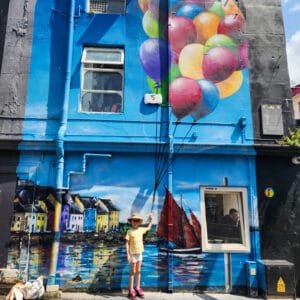
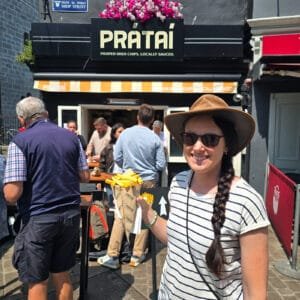
Of course, we couldn’t resist trying Prátaí, a gourmet Irish chip shop — delicious but definitely not cheap! I was equally impressed by the street art balloon mural nearby — bright, bold, and perfectly Galway. But don’t stand still for too long, you’ll get pooped on by pigeons, don’t ask me how I know haha.
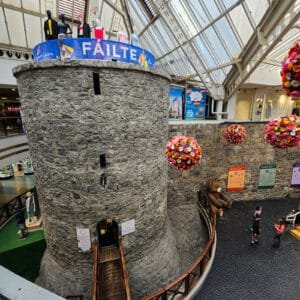
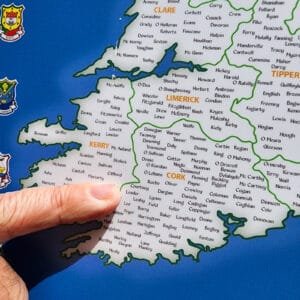
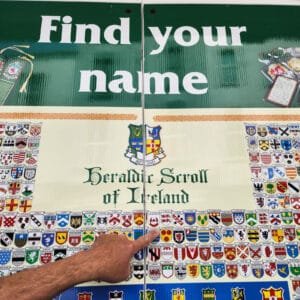
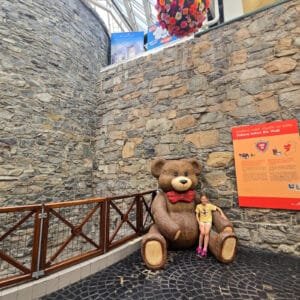
We continued to the Eyre Square Shopping Centre, where the medieval city wall — part of the old 13th-century fortifications — has been beautifully preserved right inside the modern building. On our way back, we couldn’t help smiling when we spotted our family name on an Irish Surnames and map poster on a wall — a fun little discovery.
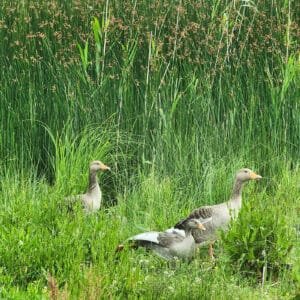
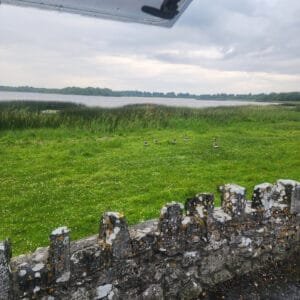
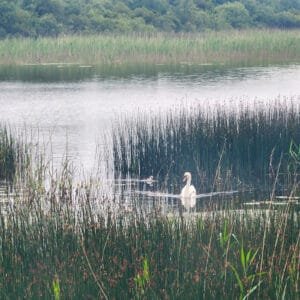
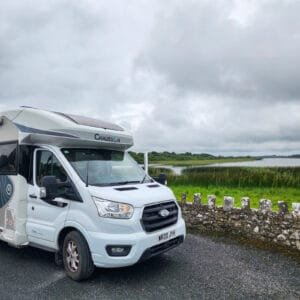
We spent the night at a quiet roadside pull-off overlooking Finn Lough in County Fermanagh. The lough was calm, the scenery gorgeous, and we were entertained by a small family of geese wandering through the long grass. When we checked in with a nearby farmer, he welcomed us warmly and assured us it was a great place to park for the night — a perfect example of the friendliness and generosity of the Irish people. It was a calm, peaceful stop that reminded us why motorhome travel in Ireland is so rewarding.


Day 10 – Bunratty Castle and Folk Park
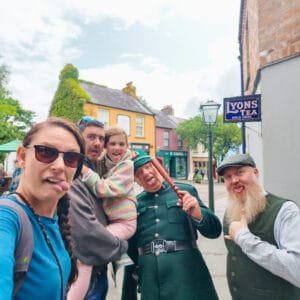
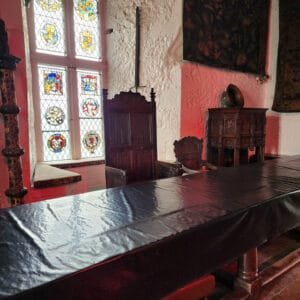
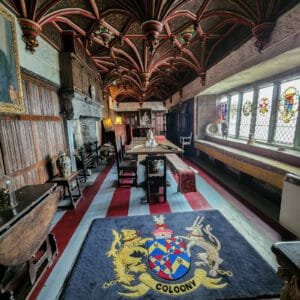
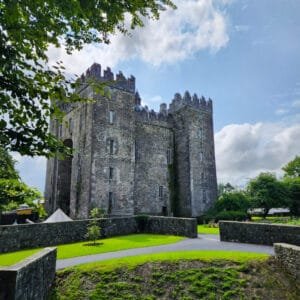
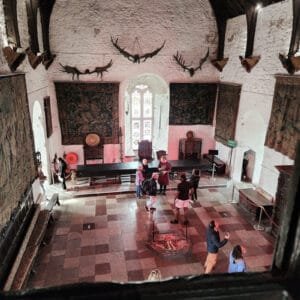
We arrived at Bunratty Castle in County Clare as early as possible to beat the crowds (and suggest you do the same) and immediately explored the 15th-century fortress. The castle itself is incredible, with staff dressed in period costume role-playing the history of life in medieval Ireland. Afterward, we wandered the gardens and surrounding buildings, seeing aspects of Irish history from different centuries.
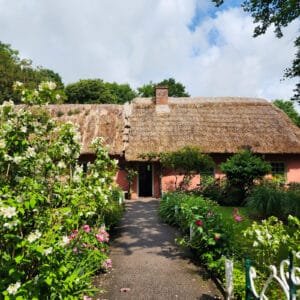
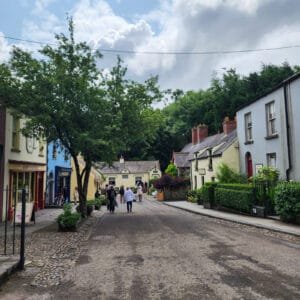
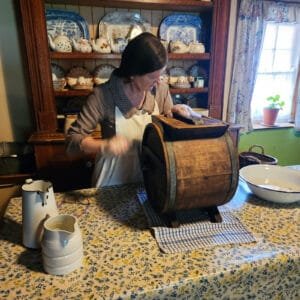
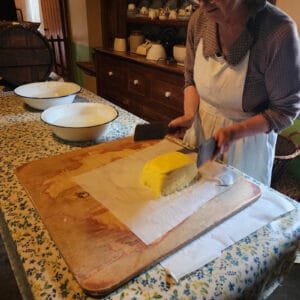
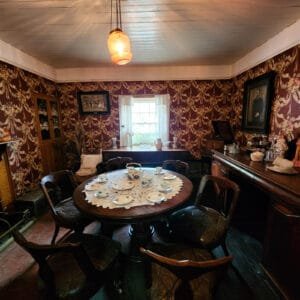
Next, we explored the Bunratty Folk Park, a meticulously recreated 19th-century village featuring streets, cottages, and shops. Some of the shops still operate today, blending historical recreation with a touch of modern life. We finished our visit with a butter-making demonstration, giving us a fun, hands-on glimpse into traditional Irish life. Entry for adults is around €15 (varies).
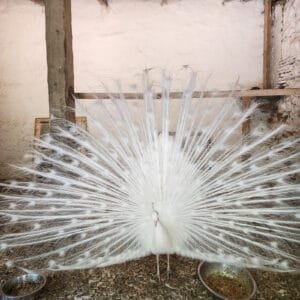
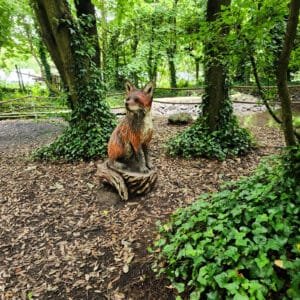
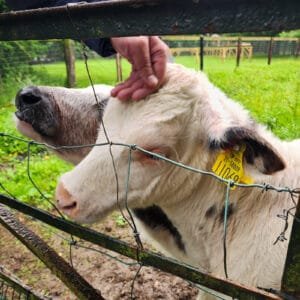
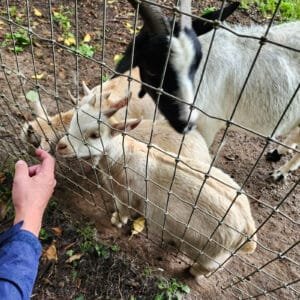
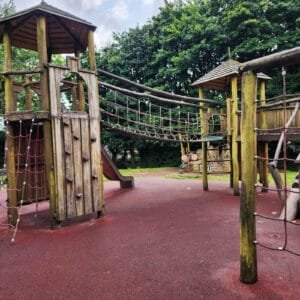
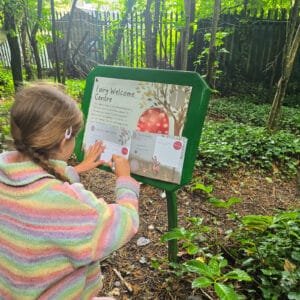
Visiting Bunratty Castle & Folk Park with kids is an unforgettable experience. The Folk Park, allows you to encounter a variety of animals, including Irish Wolfhounds, a white peacock, and baby goats — much to Aria’s delight. Plus interactive demonstrations, such as bread and butter making and blacksmithing, offered hands-on learning opportunities. A highlight for Aria was the Fairy Trail, an enchanting journey through the park’s upper end. She received an activity booklet from the ‘policeman’ and ‘postman,’ solving riddles and puzzles while discovering the magical world of fairies.
We spent the entire day exploring the castle and Folk Park and still didn’t manage to see everything — there’s just so much to do! With a kids’ entry price of €10, Bunratty Castle & Folk Park offers exceptional value for families seeking a blend of history, nature, and interactive learning. It’s a must-visit destination that brings Irish heritage to life in a fun and engaging way.
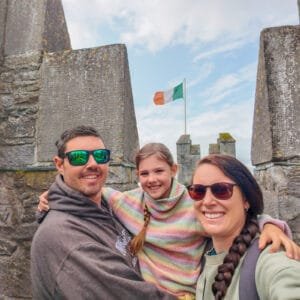
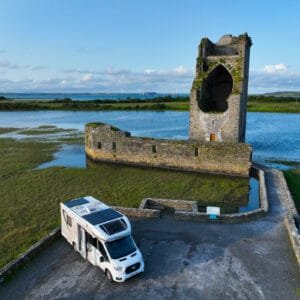
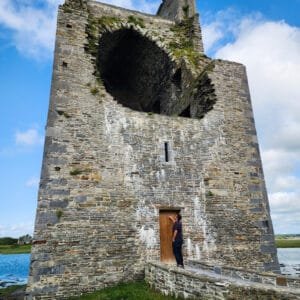
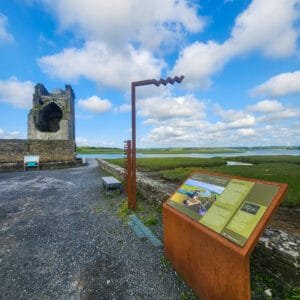
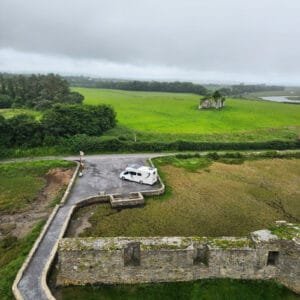
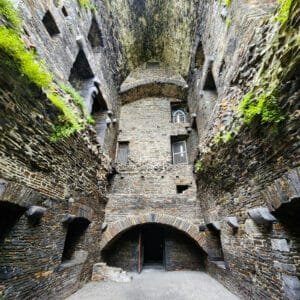
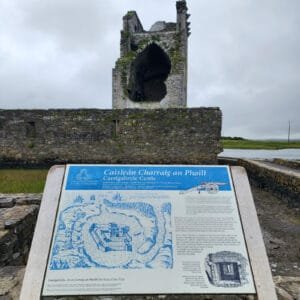
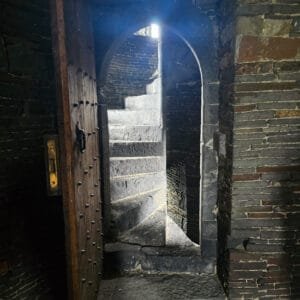
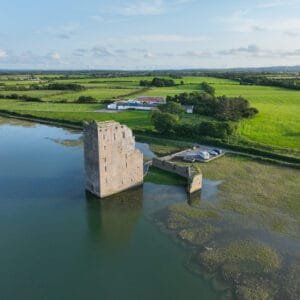
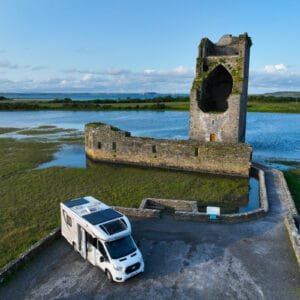
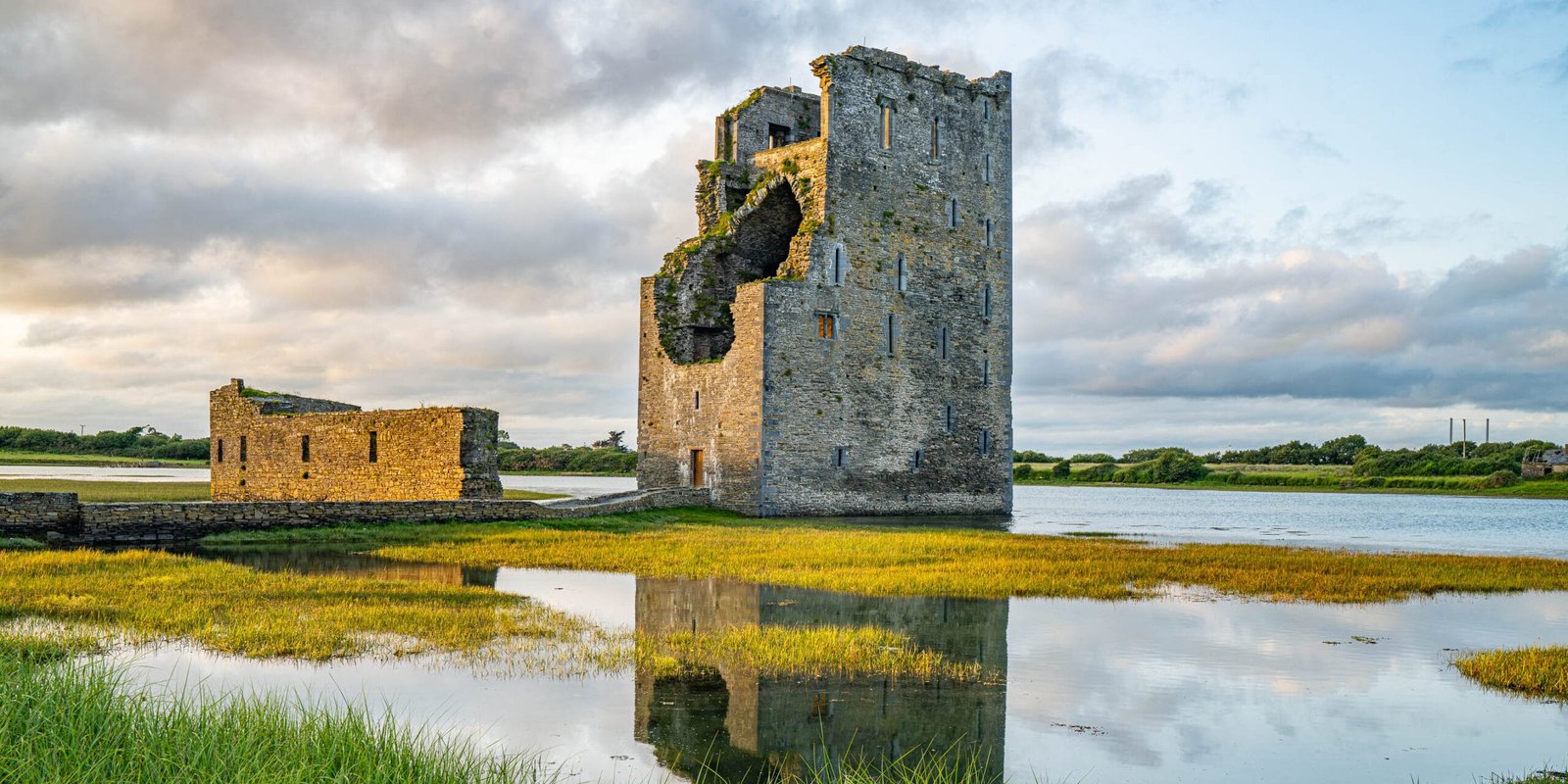
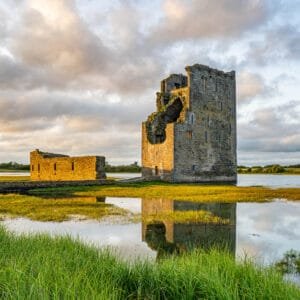
We found an incredible overnight spot right beside Carrigafoyle Castle, a 15th-century tower overlooking the Shannon Estuary. The castle’s front wall was destroyed by cannon fire during the 1580 siege — fired from the hill just behind — but the ruins still stand proudly today. When the tide comes in, water surrounds the base, making it look almost like an island. It’s free to explore daily from 10 am – 5 pm. While parked here, we were once again reminded how friendly the Irish are — one local stopped to check we had everything we needed and told us to enjoy the spot for the night, and another chatted with Dan about photography and shared some nearby sights.
Day 1-10 Summary
| Attraction | Location | Type | Distance / Access Highlights | Notes |
|---|---|---|---|---|
| Assaranca Falls (Eas Áirceanna) | Donegal | Waterfall | Roadside stop | Cascading waterfall, especially powerful after rain. Free parking nearby, often combined with Maghera Beach & caves. |
| Slieve League Cliffs (Sliabh Liag) | County Donegal | Coastal cliffs | Walk 1.5 km from upper car park ($17 / 2 hrs) to lookout | Among Europe’s highest sea cliffs (601 m). Breathtaking Atlantic views. |
| Muckross Head Discovery Point | County Donegal | Coastal cliffs | Easy roadside access | Part of the Wild Atlantic Way Signature Discovery Points; great sunset views. |
| Mullaghmore Head (An Mullach Mór) | County Sligo | Coastal headland | Loop drive with roadside parking | Famous surf break “Prowlers” with waves over 15 m; views of Classiebawn Castle. |
| Benbulben Forest Walk (Binn Ghulbain) | County Sligo | Hike / Nature | 4.2 km lower loop track | Iconic flat-topped mountain; forest trails with Atlantic views. |
| Glencar Falls & Glencar Lough | County Leitrim | Waterfall / Scenic area | 0.5 km walk from car park | Free parking, café & toilets. Short loop trail with lookout platform. |
| Devil’s Chimney Falls (Sruth in Aghaidh an Aird) | Border of Leitrim & Sligo | Waterfall / Hike | 1.2 km return trail, 150 m climb | Ireland’s tallest waterfall (150 m). Visible only after heavy rain. |
| Ballycroy National Park Visitor Centre (Oileán Chlann Lir) | County Mayo | Visitor Centre / Nature | Short walk trails from VC | Excellent free exhibits on blanket bogs & dark sky park. Great family stop. |
| Keel Beach (Trá Caol), Achill Island | County Mayo | Beach / Overnight stop | Beachside motorhome parking | Scenic sandy beach beside golf course with sheep as “greenkeepers.” |
| Sheeffry Pass (Binn Shíofra) | County Mayo | Scenic drive | Narrow single-lane mountain road | Quiet drive with Tawnyard Lough picnic stop; connects to Doolough Valley. |
| Doolough Valley (Gleann Dubh Locha) | County Mayo | Scenic valley / Overnight | Gravel car park near lough | Peaceful overnight stay surrounded by lakes and misty hills. |
| Killary Fjord & Kylemore Abbey (Mainistir na Coille Móire) | County Galway | Fjord / Historic site | Roadside views & free abbey parking | Ireland’s only fjord. 19th-century abbey built by Mitchell Henry; beautiful grounds. |
| Carrigafoyle Castle (Caisleán Charraig an Phoill) | County Kerry | Castle / Historic ruin | Roadside parking beside estuary | 15th-century tower; front wall destroyed by cannon in 1580 siege. Free entry (10 am–5 pm). Locals incredibly welcoming. |
Day 11 – Slea Head Loop Drive, Dingle Peninsula
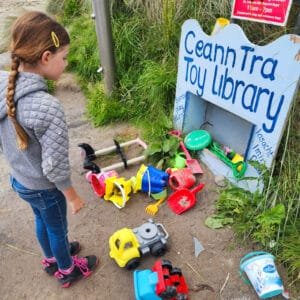
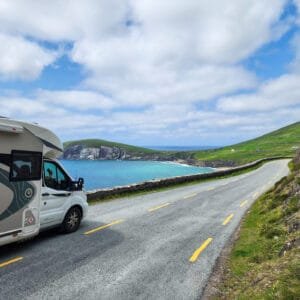
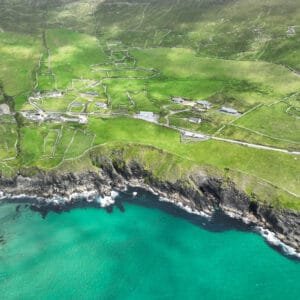
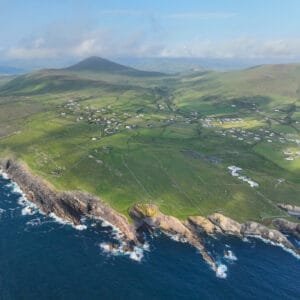
Our journey along the Dingle Peninsula and Slea Head Loop Drive was one of the most picturesque sections of the Wild Atlantic Way. We began at Ceann Trá (Ventry Beach), a long, sandy stretch perfect for a walk or quick stop. From there, the narrow coastal road hugged the cliffs, revealing endless ocean views and rugged landscapes — it’s easy to see why this drive is often named among the most beautiful in Ireland. We made countless stops at roadside pull-outs before reaching Ceann Sléibhe (Slea Head), where we had hoped to hike Dunmore Head, Ireland’s most westerly mainland point and a Star Wars: The Last Jedi filming location. Unfortunately, limited parking meant we couldn’t stop this time, but it’s one we’re determined to return to.
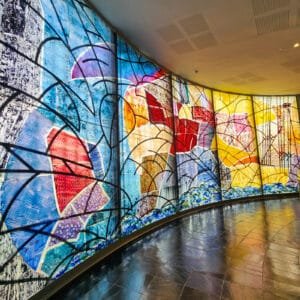
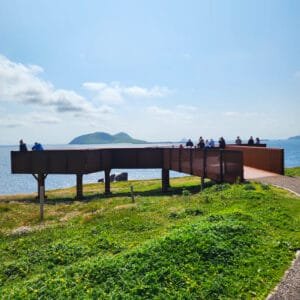
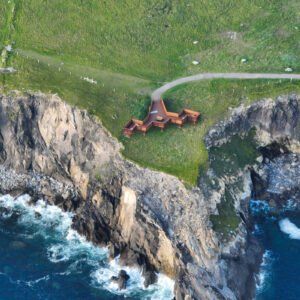
We made our way further around the iconic Slea Head Drive and stopped at the Blasket Centre (Ionad an Bhlascaoid) on the Dingle Peninsula, a striking heritage centre dedicated to the inhabitants of the remote Blasket Islands. Until the island community was evacuated in 1953, they lived by fishing, farming, and storytelling — leaving a remarkable literary legacy. There is an awesome lookout platform at the centre also, which is shaped in the symbol of the WAW. We highly recommend taking the walk to the platform.
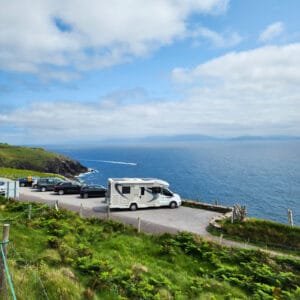
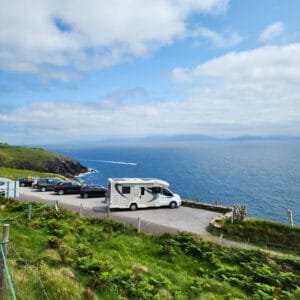
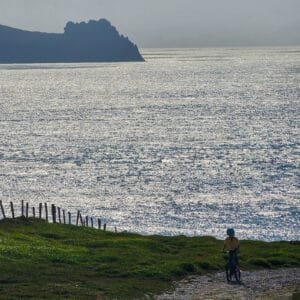
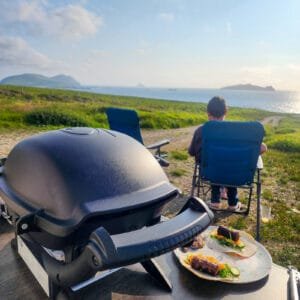
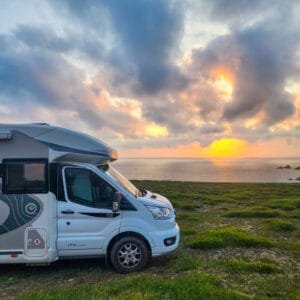
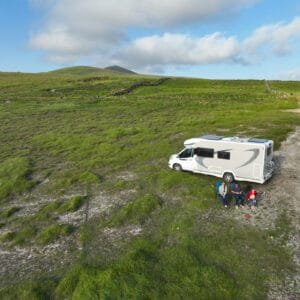
After exploring the exhibits and enjoying the sweeping clifftop views from the very unique viewpoint, we found a quiet paddock-style roadside stop for the night just up the road. We parked beside a small lookout, met a Greek campervan family whose toddler and Aria instantly bonded, and enjoyed a peaceful evening with the Atlantic wind and constant waves as our soundtrack. It was one of those moments that remind you the journey is as much about people and places as the scenery.
Day 12 – Dunmore Head, Slea Head Drive cont. & Laharn Viewpoint
We started the morning with a second attempt at parking for Dunmore Head (Ceann Dún Mór) — and luck was finally on our side! The only space big enough for the motorhome had just become free, so we pulled in, rugged up in jackets and beanies, and set off on the trail.
The walk is stunning but can be a little sketchy in places — narrow paths, uneven ground, and a few stone fences to climb over — but the reward is incredible views and the wild Atlantic wind reminding you just how far west you are. Dunmore Head is indeed the most westerly point on mainland Ireland, with the Great Blasket Islands scattered just offshore. Free parking is available (though limited), and a small donation is requested to access the trail.
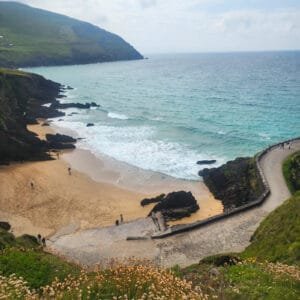
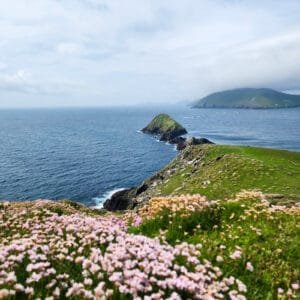
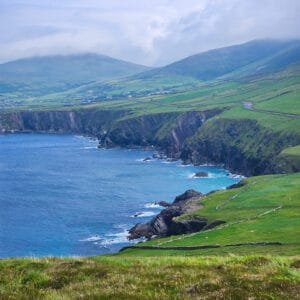
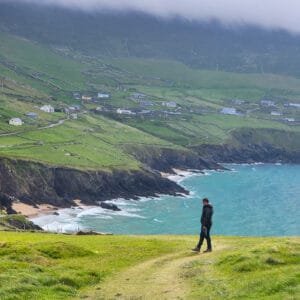
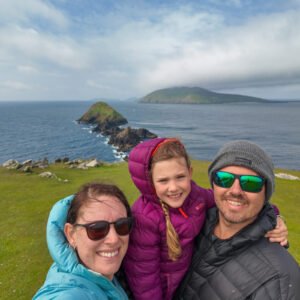
After the hike, we continued clockwise around the Slea Head Drive, soaking in even more spectacular scenery and stopping at Waymont Viewpoint, where Dan captured the view perfectly — one of those moments that sums up why this drive is so special.
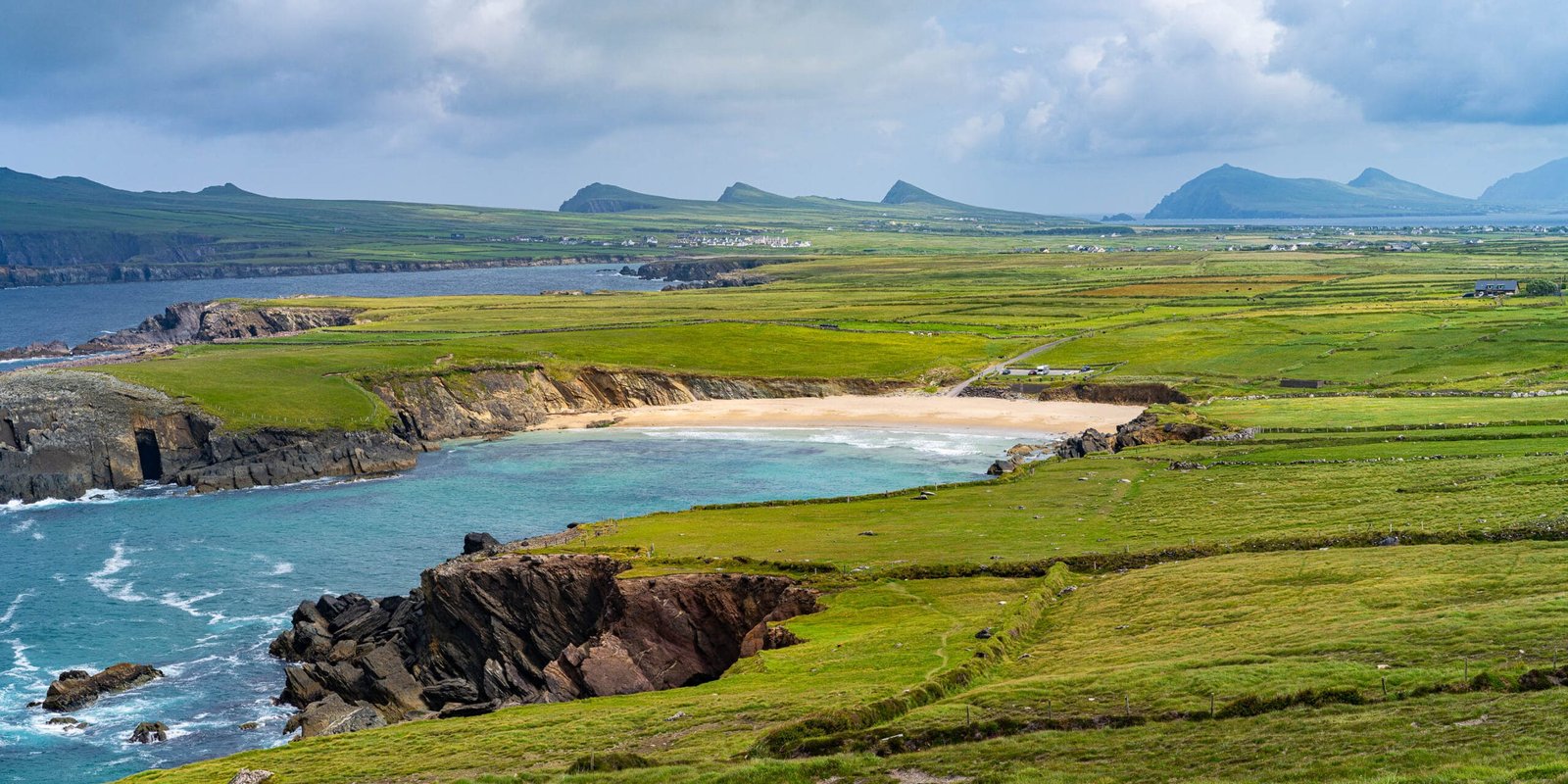
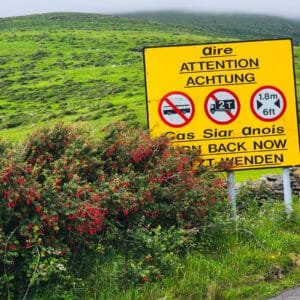
From there, we looped back through Dingle, before attempting the Conor Pass, Ireland’s highest mountain pass. Unfortunately, a big warning sign (and common sense) told us the motorhome was too large to safely continue — so we turned back, saving that adventure for another time.
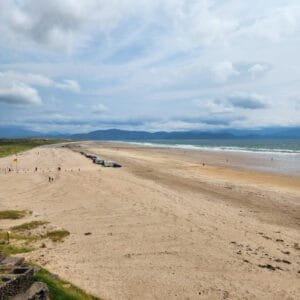
Our final stop for the day was at Inch Beach, famous for being one of the few beaches in Ireland you can drive onto. We didn’t fancy taking the motorhome onto the sand though, especially with the weather turning again, so we admired the view instead.
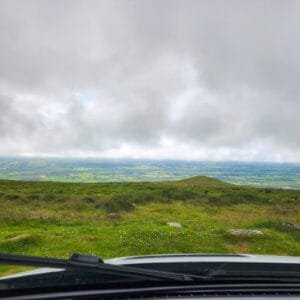
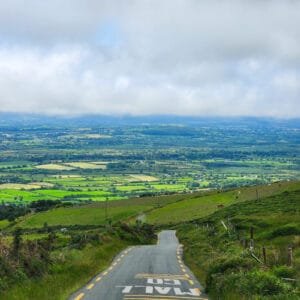
We ended the day parked up at Laharn Viewpoint, overlooking the bay below. Wind howling, clouds rolling through, and Ireland doing what it does best — being wildly beautiful.
Day 13 – Ring of Kerry & Skellig Ring
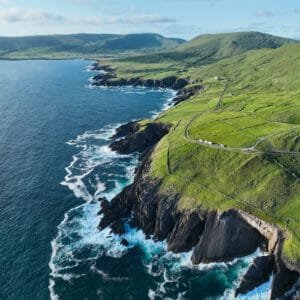
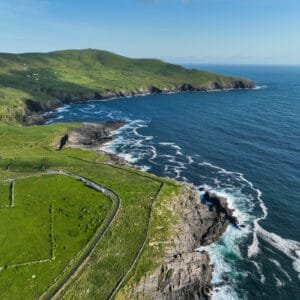
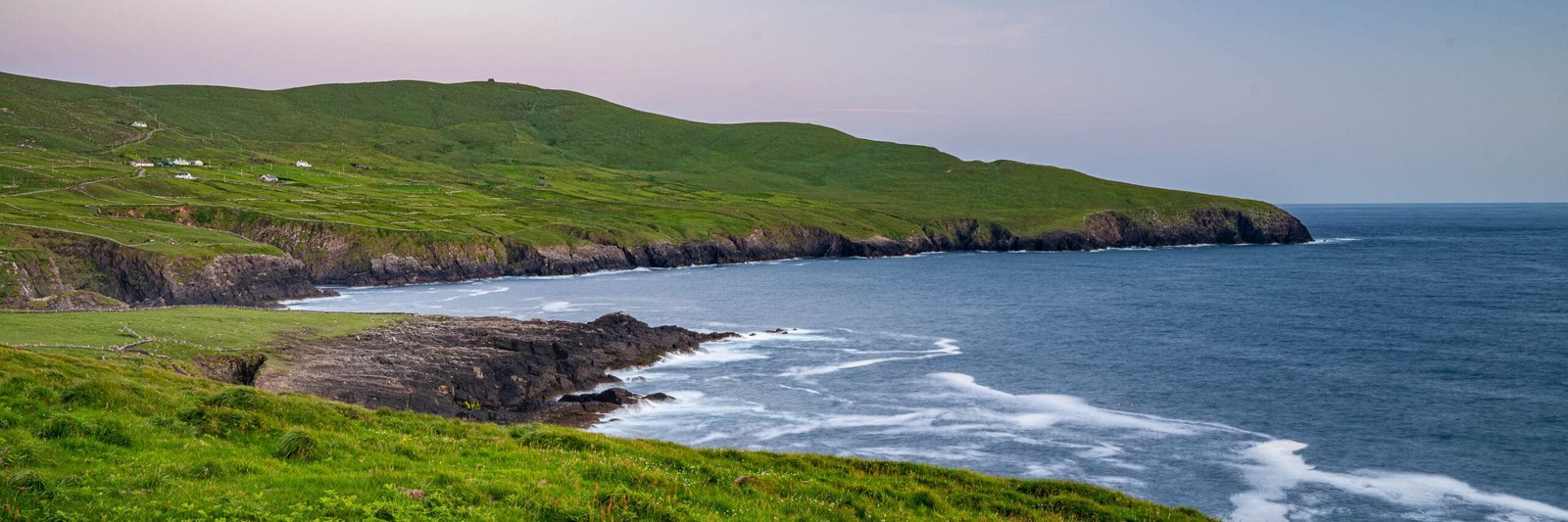
The Ring of Kerry, one of Ireland’s most iconic drives, with postcard-perfect scenery at every turn. We paused at Mountain Stage Viewpoint, before continuing onto the Skellig Ring — a lesser-travelled extension of the Wild Atlantic Way known for its dramatic sea cliffs and views of the Skellig Islands.
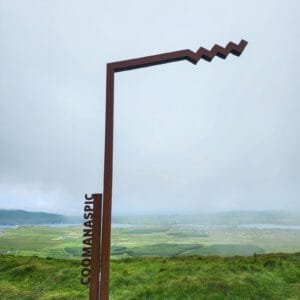
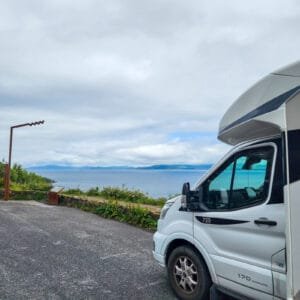
After cautiously navigating the winding, narrow road up to Coomansapig Lookout, we were rewarded (eventually!) with clear skies and stunning views over the coastline. We chose not to visit the Kerry Cliffs, a paid attraction nearby, instead soaking in the scenery from our own peaceful lunch spot.


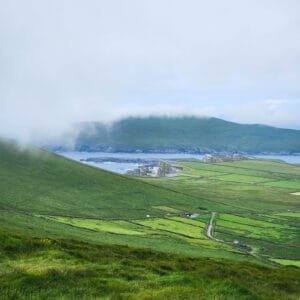
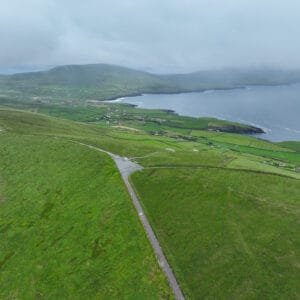
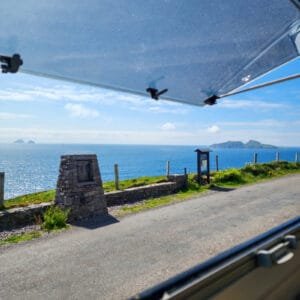
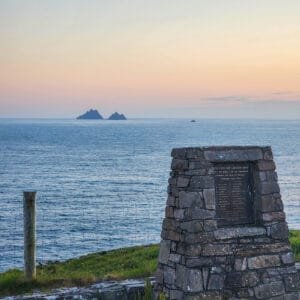
We parked at Allagheemore for the night in a popular but quiet hiking car park, overlooking the Skellig Islands — two striking, rocky outcrops off the coast. The larger, Skellig Michael (Sceilg Mhichíl), is a UNESCO World Heritage Site, once home to 6th-century monks who built their monastery atop its cliffs. It’s also famous for its role as Luke Skywalker’s refuge in Star Wars: The Force Awakens. Although we didn’t take the boat tour to the islands (they’re highly weather-dependent), it’s said to be one of the most unforgettable experiences on Ireland’s west coast.
Day 14 – Ring of Kerry (Coomakista & Chloe’s View)
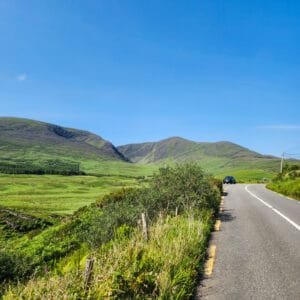
Continuing along the famous Ring of Kerry in absolutely perfect weather, we stopped at countless viewpoints along the way — each one seemingly better than the last. Two highlights stood out in particular: Coomakista, with its sweeping coastal views, and Chloe’s View, where we met a lovely Aussie couple and shared a great chat overlooking the ocean. We would have loved to visit Derrynane Beach, but the narrow, winding road wasn’t suitable for our motorhome, so we’ll save that one for next time, but highly recommend it if you’re in a car!
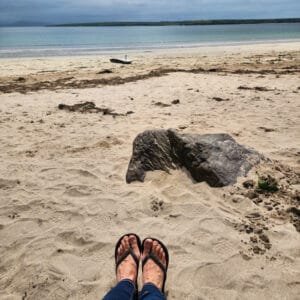
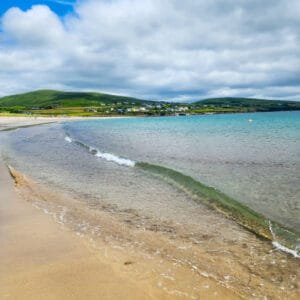
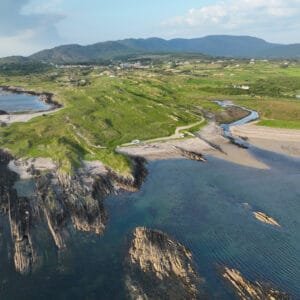
With Manda at the helm, we continued our journey along the Ring of Kerry, when suddenly I spotted the most amazing beach we’d seen in a long time — it honestly looked like something straight out of Australia! I quickly pulled over, and luckily, there was one last parking spot just big enough for the motorhome. We made lunch and sat on a rock overlooking the ocean, soaking in the incredible view before heading down for some beach time. Aria was brave enough to dip her toes (and then some!) into the freezing Atlantic, though she didn’t last long before running back up the beach laughing.


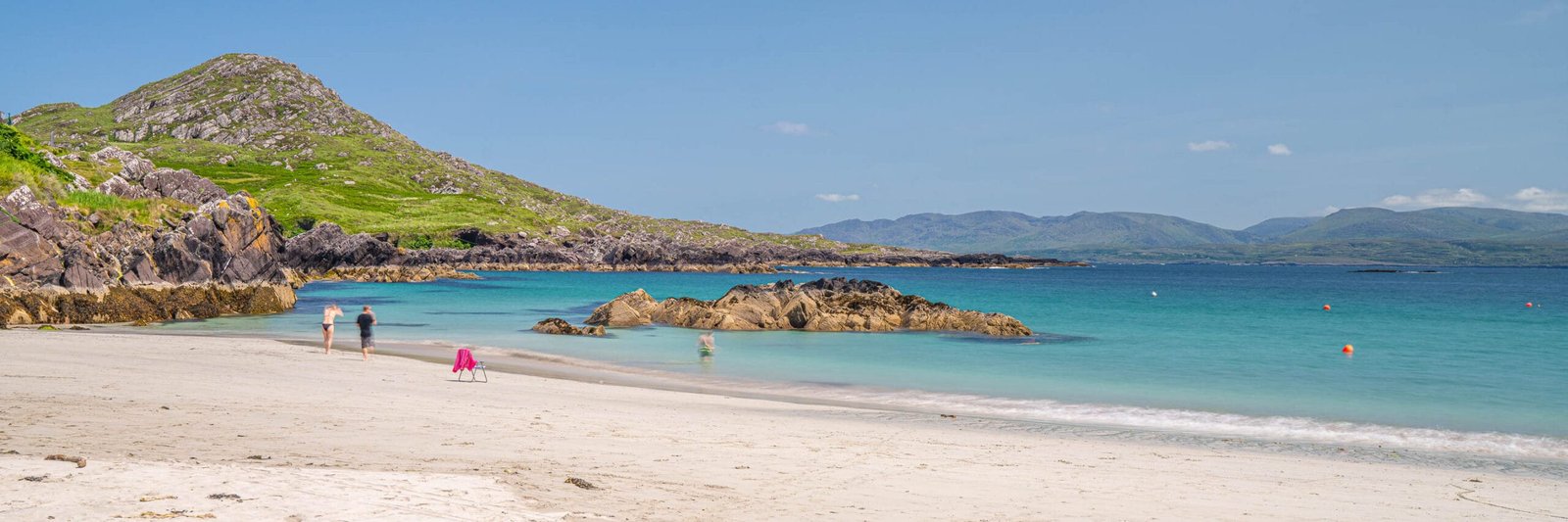
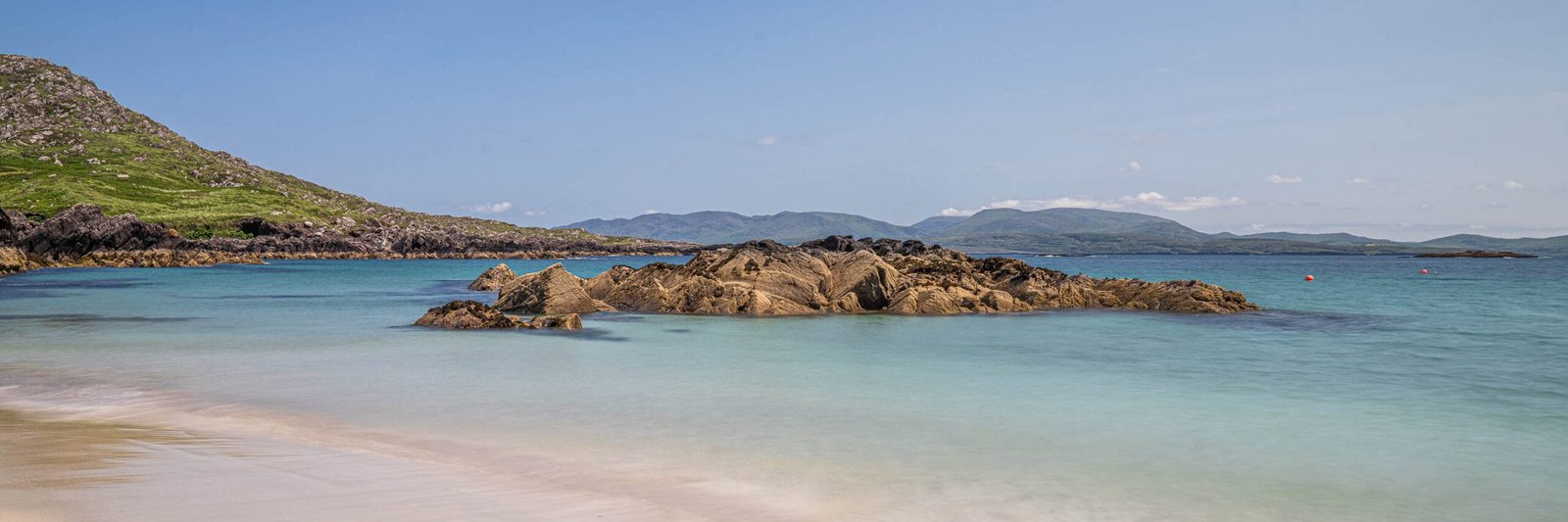
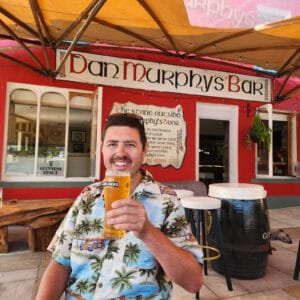
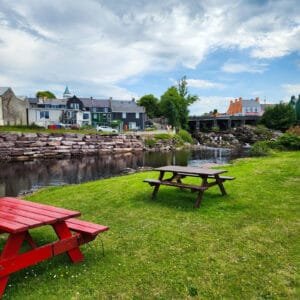
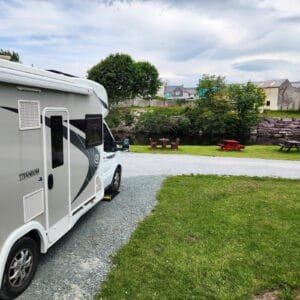
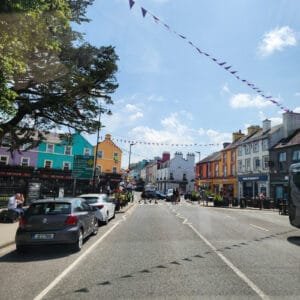
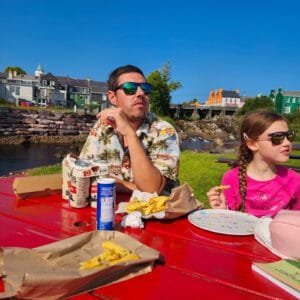
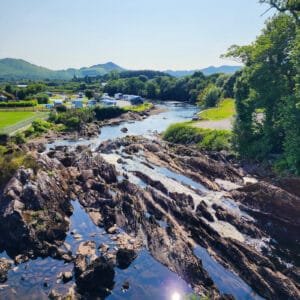
After a couple of hours enjoying our perfect little find, we hit the road again, completely satisfied with our beach gem discovery, and finished the Ring of Kerry at Sneem, a lovely little town with a great-value motorhome aire right on the river. Once we’d parked up, we wandered up the road to Dan Murphy’s Pub for a refreshing cider, before taking a longer stroll around town to explore the Garden of the Senses, the Maze Garden, and the local waterfall. We finished off the evening with some takeaway from a nearby chip shop and dinner by the river — the perfect way to end a wonderful day on the Ring of Kerry. 🌅
Day 15 – Beara Peninsula
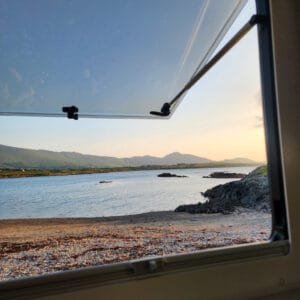
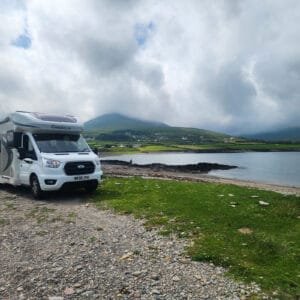
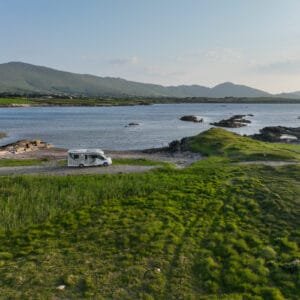
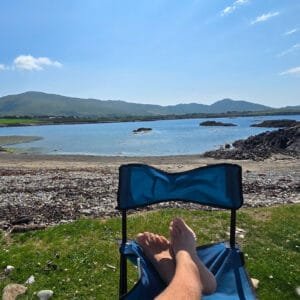
After so many full days exploring the Wild Atlantic Way, we slowed things down for a relaxed day on the Beara Peninsula. The drive itself was a treat, with winding country roads and classic Emerald Isle scenery — deep green hills, rugged coastline, and glimpses of the Atlantic beyond. We didn’t tick off any major attractions today, and honestly, that was exactly what we needed. We found a quiet beach where we parked up for the afternoon, enjoyed the sunshine, and chatted with yet more friendly locals — the Irish hospitality never stops amazing us!
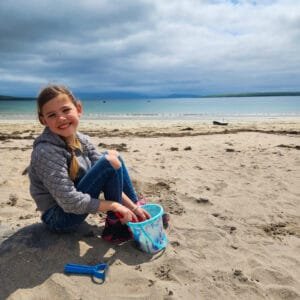
As the tide went out, we explored the rockpools, spotting tiny crabs, seaweed, and shells, while Aria loved getting her hands wet and discovering little sea creatures. It was the perfect way to pause, recharge, and appreciate just how beautiful and peaceful this part of Ireland is.
Day 16 – Dursey Island Cable Car
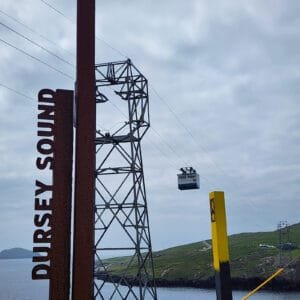
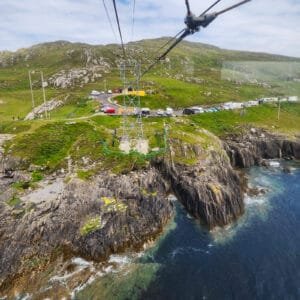
We ended up at the tip of the Beara Peninsula for the trip of a lifetime — boarding the cable car to Dursey Island, the only cable car in Ireland and the only one in Europe that crosses open seawater. The car spans 374m across the Dursey Sound, and although we arrived at the small car park just as the ticket office shut for lunch, the delay meant we were first aboard the next trip. The ride is proper “old school” — six passengers, no bells or whistles, just you and a very scenic cable across the sea. The crossing is 374 m long and takes about 7–8 minutes each way. Ticket return: €10 for an adult, €5 for a child.
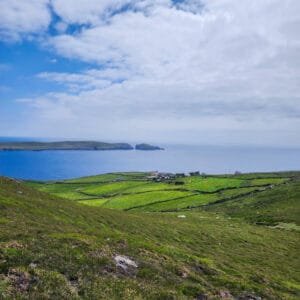
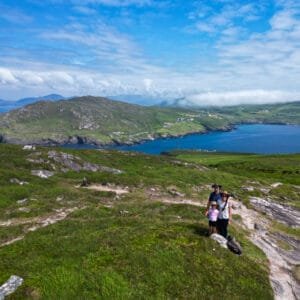
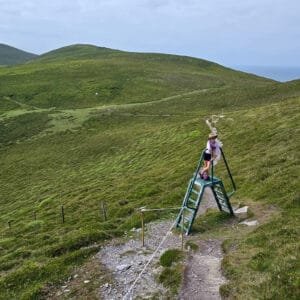
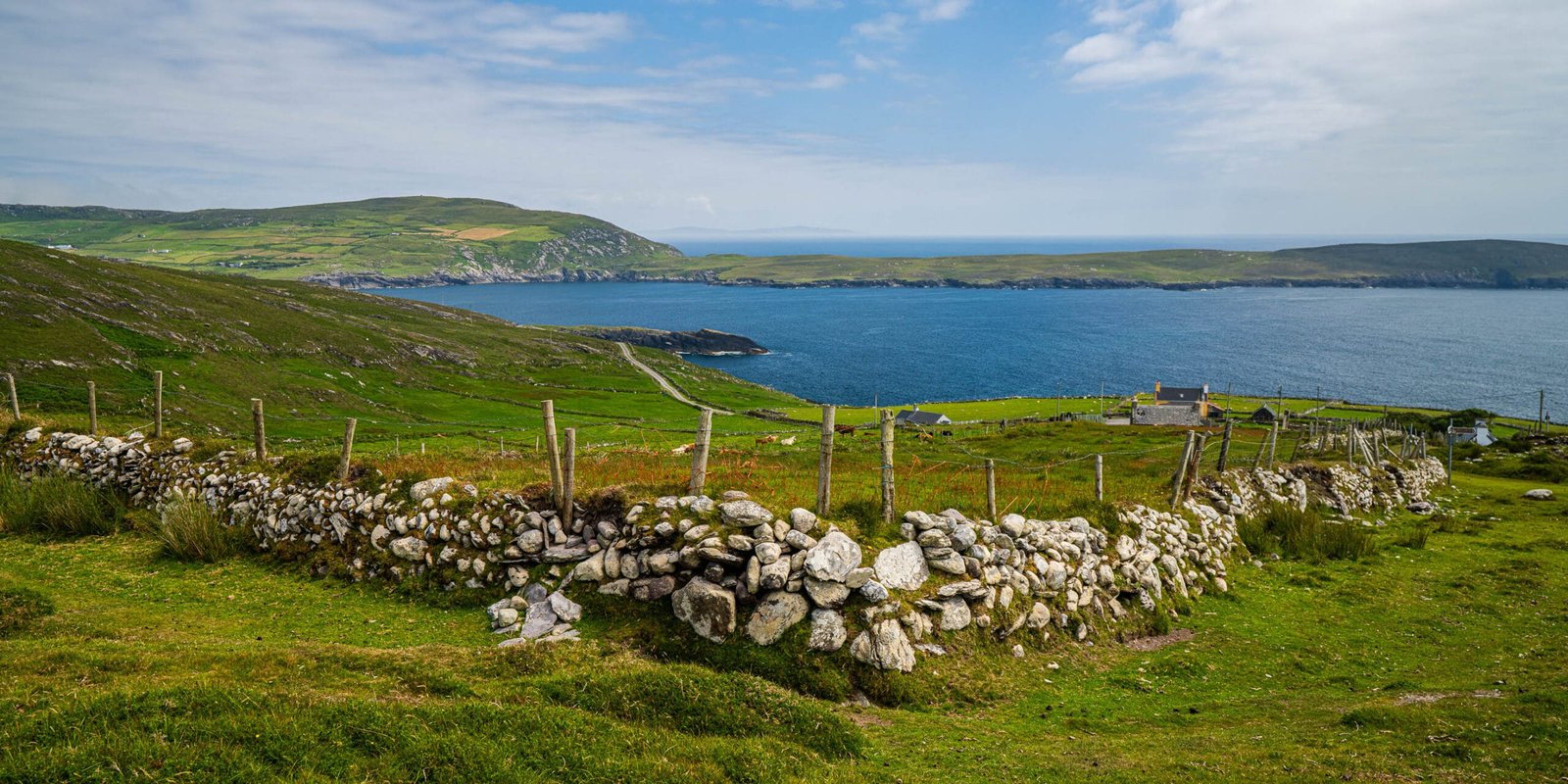
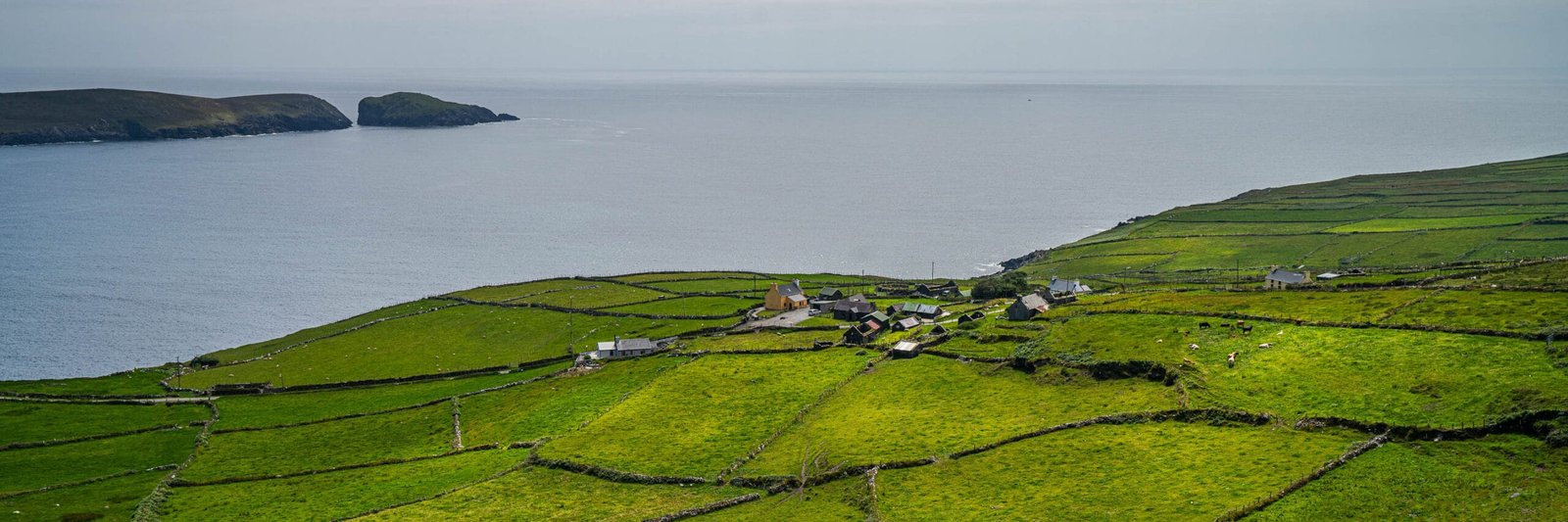
Dursey Island itself is tiny—around 6.5 km long and 1.5 km wide—with just a handful of permanent residents, no shops or cafés, and an impossibly peaceful feel. We took the medium loop hike through wild terrain, sheep grazing and silence all around, making it a truly memorable stop on the Wild Atlantic Way.



Day 17 – Cobh
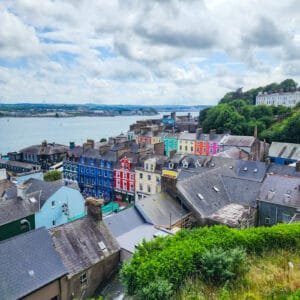
Cobh marks the official end point of Ireland’s Wild Atlantic Way, a fitting finale to one of the world’s great coastal drives. Standing on the harbour looking back west, it’s hard not to feel a sense of completion — the cliffs, coves and wild seas of the Atlantic giving way to a gentler, more settled coastline.
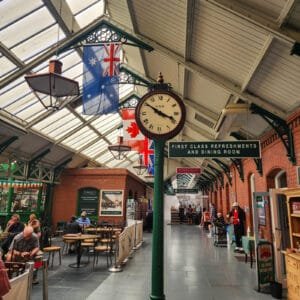
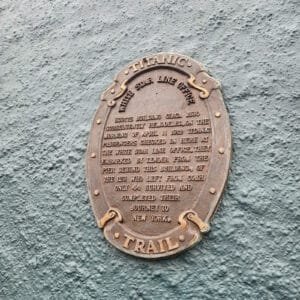
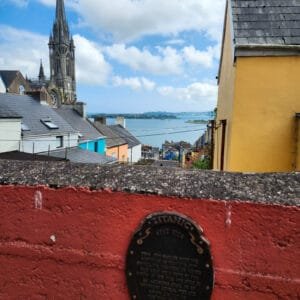
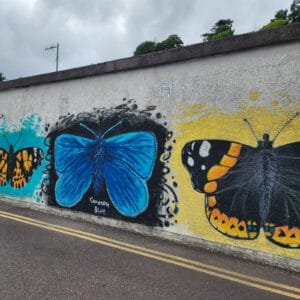
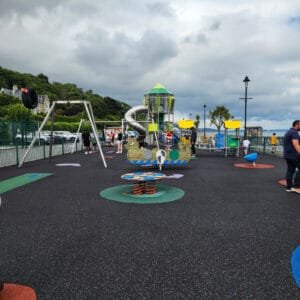
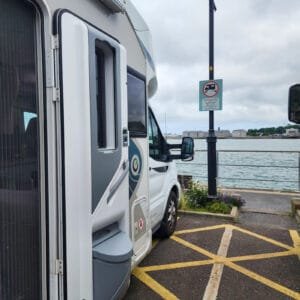
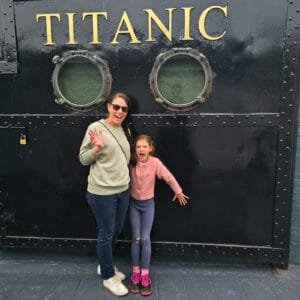
In the charming harbour town of Cobh, we found the perfect overnight spot — a superb motorhome aire right by the water in town, with all services included and just a short walk to the centre for about AU$15 for 24 hours. After settling in, we wandered past the Cobh Heritage Centre (we didn’t go inside, but spotting the Aussie flag made us smile). Next we wandered past the Titanic Exhibition Centre, Cobh was Titanic’s final port of call before heading across the Atlantic — the liner called at ‘Queenstown’ on 11 April 1912 to take on mail and additional passengers before setting off for New York. Around 120 passengers boarded there (many Irish emigrants), and the town has never forgotten the connection: the Cobh Heritage Centre covers the story with passenger lists, artefacts and personal histories, and you’ll find several memorials around the harbour commemorating those who sailed and those who never returned.
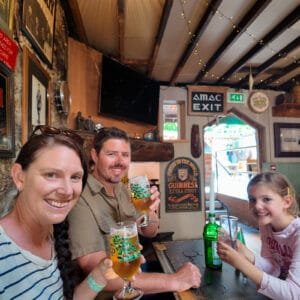
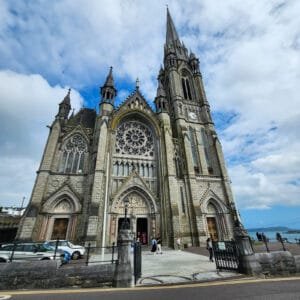
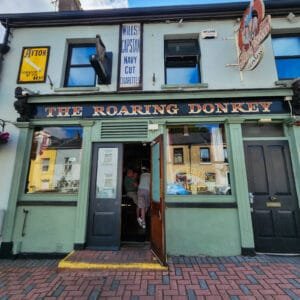
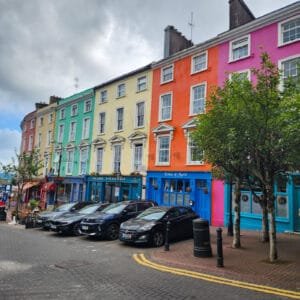
We continued our stroll and climbed the hill to visit St Colman’s Cathedral, an awe-inspiring neo-Gothic structure completed in 1919, with a spire reaching 91.4 metres and a carillon of 49 bells. From there, we admired the famous “Deck of Cards” terrace houses lining the harbour, then stepped into The Roaring Donkey pub — a historic spot dating back to the 1880s, known locally for its music sessions and genuine pub character. The Deck of Cards Houses gained their name as they are a steeply stacked row of colourful terraced houses that climb sharply up the hill on West View Street, right below St Colman’s Cathedral. From the right angle — especially when viewed from the park opposite with the cathedral rising above — the homes appear as if they’re leaning or stacked on top of one another, just like a fanned-out deck of playing cards.
Back at the motorhome, we watched the lights dance on the harbour and reflected on how Cobh isn’t just a stop — it’s a place with real heart and history.
Day 18 – Lismore & Moors
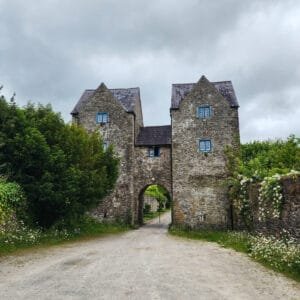
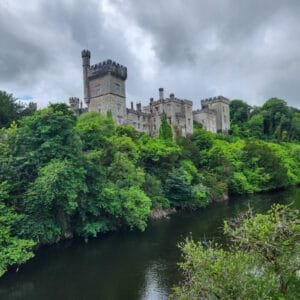
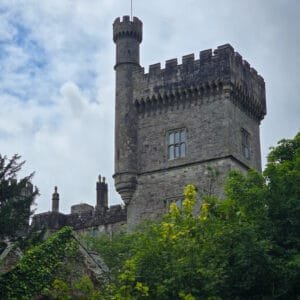
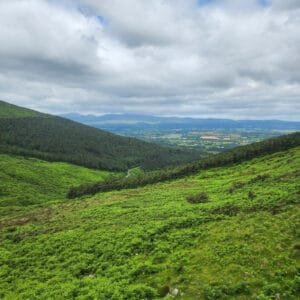
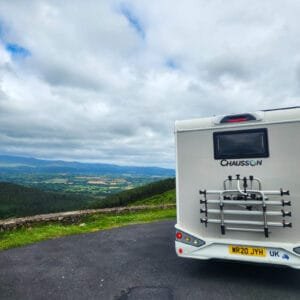
We stopped in the little town of Lismore, which was picture-perfect with its local market, colourful streets and the stunning Lismore Castle overlooking the river. We wandered to the river for a view of the castle (& you can pay to walk around the grounds as it’s still privately owned, you can’t go inside the buildings) and admired how fairytale-like it looked.
After that, we found a quiet spot up on the moors for the night, parked among the sheep, listening to rain on the roof. Bliss. Until… it wasn’t. At around 11pm, headlights flashed through the rain and a young driver started doing donuts in the carpark — right near our motorhome. We hoped they’d stop, looked out the door at them a couple of times, but after several minutes it was clear they weren’t going anywhere. I debated whether to call the police, but eventually did — better safe than sorry. Dan even went out to speak to them politely, and thankfully they drove off not long after – I really wasn’t sure which way it was going to go.
The police arrived later and assured us it happens sometimes, just local kids being silly. Still — it was a first for us after months of peaceful nights on the road, our first encounter of something not feeling right!
Day 19 – Cahir
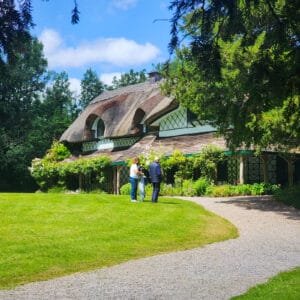
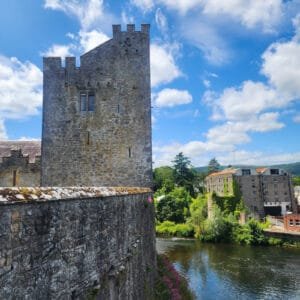
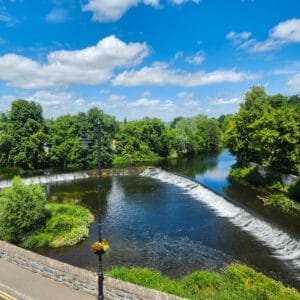
We arrived in Cahir, planning to explore the Swiss Cottage, a charming 18th-century thatched house built for the local landowner’s children. It’s beautifully preserved, with handmade interiors and historical details, but we thought the entry fee was a little steep, so opted for a riverside walk instead.
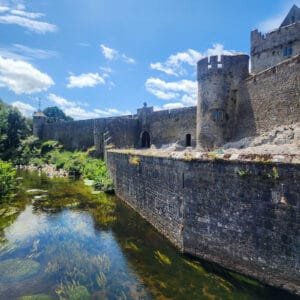
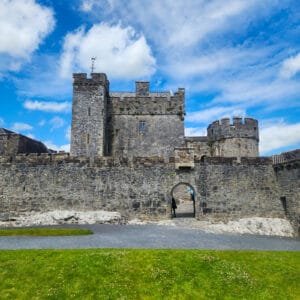
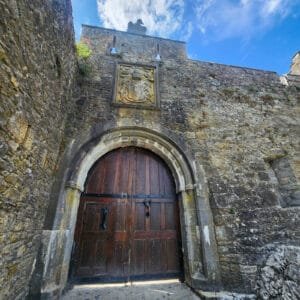
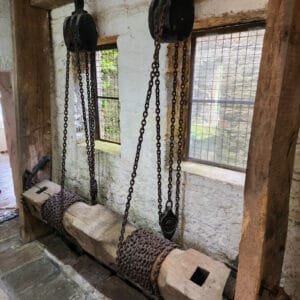
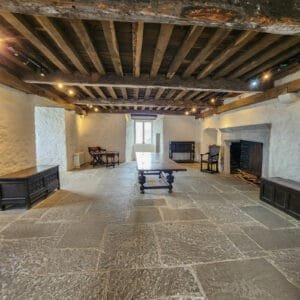
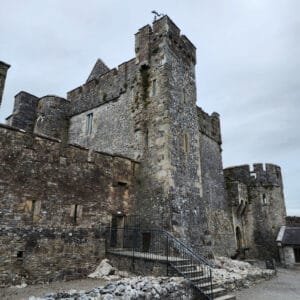
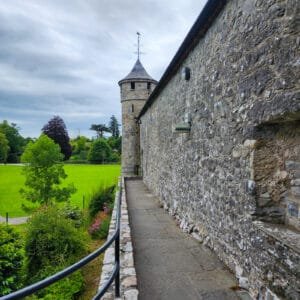
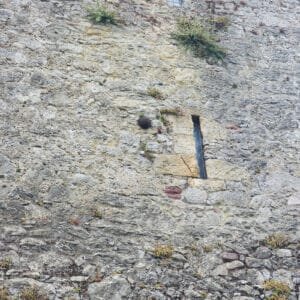
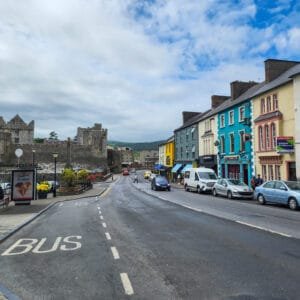
A short drive brought us into the town centre, where we found a parking spot and wandered through the picturesque streets toward Cahir Castle. Perfect timing meant we could join a free guided tour starting in 10 minutes! The castle itself is incredible — one of Ireland’s largest and best-preserved medieval castles. Fun facts: there are still two cannonballs embedded in the exterior walls, and it dates back to the 13th century, with a rich history of sieges and ownership changes. Entry is €8 per adult, and kids are free.
Day 20 – Our final day in Ireland
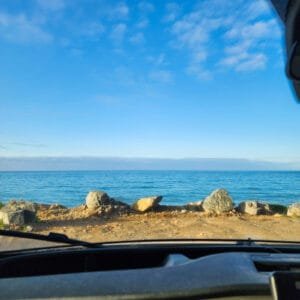
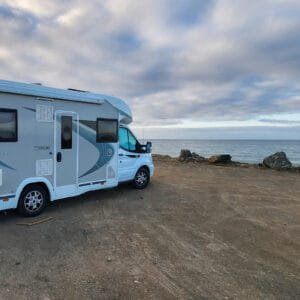
Our final night in Ireland was spent on the coast near Kilmore, parked up overlooking the Atlantic Ocean — the perfect place to pause and reflect on our time here. We were going to head North to Cashel and Kilkenny, we simply ran out of time on the wonderful Emerald Isle. So we decided on one last scenic drive through the back roads. As we watched the sun set over the ocean one last time, we couldn’t help but feel grateful — for the adventures, the warmth, and the memories we’ll carry with us long after leaving the Emerald Isle.
Day 11-20 Summary
| Attraction | Location | Type | Distance / Access Highlights | Notes |
|---|---|---|---|---|
| Slea Head Drive & Dingle Peninsula | County Kerry | Coastal Loop Drive | 47 km scenic loop from Dingle town | Stunning coastal route with viewpoints, beaches (Ceann Trá, Coumeenoole), and ancient sites. Dunmore Head marks the westernmost point of mainland Ireland. Limited parking at trailhead; donation box for access. |
| The Blasket Centre & Islands Viewpoint | Dún Chaoin, Kerry | Heritage & Viewpoint | 2 km west of Coumeenoole | Excellent museum telling the story of the Great Blasket Islanders — known for their isolation, storytelling, and emigration. Spectacular ocean views; small café and parking available. |
| Ring of Kerry & Skellig Ring Drive | Iveragh Peninsula, Kerry | Scenic Drive | 179 km circular route | Mountain passes, ocean cliffs, and charming towns. Highlights include Mountain Stage Viewpoint and Coomansapig Lookout overlooking Skellig Islands. Kerry Cliffs are paid entry. |
| Skellig Islands Viewpoints | Skellig Ring / Portmagee area | Natural & Historic Landmark | Viewpoints along the Ring | Offshore UNESCO site — Skellig Michael featured in Star Wars: The Last Jedi. Accessible by boat tours (weather-dependent). Known for puffins and early monastic settlement. |
| Coomakista & Chloe’s Viewpoints | Ring of Kerry, near Derrynane | Viewpoints | Roadside stops along N70 | Incredible coastal panoramas; Chloe’s View is lesser-known but beautiful. Coomakista offers a large carpark and interpretive panels. |
| Sneem Town & Gardens | Sneem, County Kerry | Town Stop | Located along Ring of Kerry | Pretty riverside village with Garden of Senses, Maze Garden, and short riverside walks. Small Aire for motorhomes right on the river. |
| Beara Peninsula Scenic Drive | County Cork & Kerry border | Coastal Drive | Full loop ~137 km | Winding narrow roads with lush green scenery and quiet coastal towns. Fewer crowds than Ring of Kerry. Ideal for slow exploration. |
| Dursey Island & Cable Car | End of Beara Peninsula, County Cork | Island & Experience | Ireland’s only cable car (250m high, 10 min crossing) | Cable car runs over Dursey Sound to a peaceful island with loop hikes, farms, and sea views. Return ticket approx. €10 adult. Ticket office closes midday for lunch. |
| Cobh Town & St Colman’s Cathedral | County Cork | Historic Town | 25 km from Cork City | Colourful harbour town and final departure port of the Titanic. Cathedral is a neo-Gothic masterpiece with a 49-bell carillon. Don’t miss the “Deck of Cards” houses and Roaring Donkey Pub. |
| Lismore & Castle Grounds | County Waterford | Historic Town & Castle | Visible from bridge; grounds not open to public | Market town with striking Lismore Castle (private residence of the Duke of Devonshire). Scenic riverside walks and moorland campsites nearby. |
| Cahir Castle & Town | County Tipperary | Castle | In centre of Cahir town | One of Ireland’s best-preserved castles, with working portcullis and cannonballs still in walls. Guided tours included in €5 entry. Filming site for Excalibur and The Green Knight. |
| Kilmore Beach & Coast | County Wexford | Coastal Stop / Wild Camp | Free beachside parking | Peaceful coastal stop overlooking the Atlantic — the perfect end to the Wild Atlantic Way. Quiet reflection spot with ocean views. |
Fun Facts from the Wild Atlantic Way
A few quirky, curious, and classic things we’ve spotted while road-tripping the Irish coast — the little details that make travelling here so memorable!
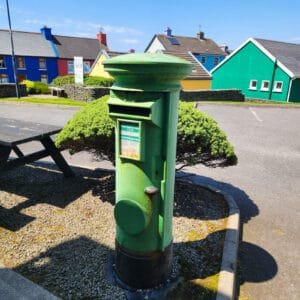
💚 Green Post & Phone Boxes
All across Ireland, you’ll find the same style of red phone and post boxes you see in England — but painted green! When Ireland gained independence, the boxes were repainted to reflect national pride and identity. Some still have the original royal insignia faintly visible beneath the paint.
🐑 Painted Sheep
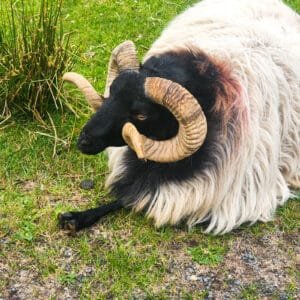
Forget ear tags — Ireland’s farmers use bright paint marks to tell their flocks apart. Every farmer has their own colour combination, so the hillsides end up looking like a patchwork of moving rainbows.
🧱 Peat “Bricks” from the Bog
In many rural areas, locals still harvest peat (or “turf”) from the bogs, drying it into brown “bricks” used as fuel. It’s no longer legal to advertise peat for sale, but neighbours can still trade or share it informally — keeping a centuries-old tradition alive.
🏰 Free Castles Everywhere
One of the best surprises — many of Ireland’s historic ruins are free to explore! You’ll often find an open gate, a small sign, and complete freedom to wander through centuries of history with no crowds or ticket queues.
🐕 Farmers & Their Dogs
It’s common to see farmers out in the fields — often in their utes — while their dogs run alongside, checking the sheep. It’s a little slice of everyday Irish life that never gets old to watch.
🌦️ Four Seasons in a Day
The Irish weather keeps you guessing! You can start the morning in sunshine, get drenched at lunch, and end the evening with a double rainbow — all without driving more than an hour.

Summary, Favourites, Tips and Costs:
Ireland and the WILD ATLANTIC WAY, you were BETTER than we expected!! The Wild Atlantic Way has been one of the most unexpected highlights of our European travels. From windswept cliffs and quiet beaches to fairytale castles, colourful towns, and some of the friendliest people we’ve ever met, Ireland has completely won us over.
- Number of Nights: 21
- Nights in Free camps: 19
- Nights in Paid Camps: 2
- KMs travelled: 2320
- Favourite Places: Dingle, Kerry and Skellig Rings, Glencar Falls, Achill Island, Bunratty Castle, Cobh, Dursey Island, Carrigafoyle Castle
TIPS, HINTS, INFO:
- The roads are smaller, but don’t let that stop you driving yourself and taking the back roads, they are the best adventures! We didn’t have any issues in our 7.2m long MH, even on the ones that felt like one lanes.
- Rubbish bins are scarce for public use, so that was one of the hardest components for us MH-ing (even MH services were tricky to come by in a couple of areas).
- Ireland is much quieter than we expected it to be. It is much more peaceful than England and the people are 1000x more friendly.
- We felt safe 100% of the time, everywhere – nature, cities, small villages etc.
- We would go to every place again if we had the choice (& more), it was such a surprisingly loved adventure, even in the dodgy Irish weather.
- GF was easy to find in supermarkets. Pub meals were actually harder to find than we thought they would be.
- Weather is REALLY variable. It really depends where you are but you need to be prepared for every weather!
- The whole country feels rural, and the population feels low outside of Dublin
- There are some really gorgeous beaches
- we 100% recommend a self drive tour of Irelands WAW.
- 3 weeks wasn’t enough time, we were hectic busy and wish we had more time to explore more and slow down a bit. We still saw an amazing amount of Ireland and such variety, that if you have 3 weeks still do it, just know you will be busy haha!
- Don’t forget the use the Euro but are not in the Schengen Zone!!
COSTS:
- Camping: $44.86
- Fuel: $529.06
- Gas: $0
- Attractions: $146.65
- Eating Out: $99.47
- Groceries: $466.83
- Laundry: $0
- Toll/Parking/Ferries: $658.79
- E-Sims/Starlink: $135.35
- Travel Insurance: $130.20
TOTAL: $2186.21 = $104/day)
If you enjoyed this blog or found it useful, please feel free to click on any of the ads on the page, it doesn’t cost you anything, but it does help us see a little money to cover the hosting costs of the website.
Further, if you are looking to support us in other ways, you can buy a product from our Travel Tools Page, purchase a piece of Dan’s photography art or ‘buy us a coffee“.
We also offer one-on-one travel consultations, via video calls. If you wish for further information, clarification or personalised advice for something specific to your travel needs, feel free to book a session to chat with us.
Finally, don’t forget we have we have heaps of other helpful blogs for both Australia and International Travel on our website. Others that you might be interested in are our Guide to Buying a Motorhome in the UK/Europe, the details of Our Motorhome or our hints and tips for Hiring a Rental Car in Europe.
Disclaimer: I may make a small commission if you buy from our links on our website, it just helps us cover the costs of the website to have this info available for you and costs you nothing more.
Planning a Trip to Ireland?
~ Hiring a car? We recommend getting a quote from DiscoverCars
~ Hiring a Motorhome? We recommend Motorhome Republic
~ Arranged your Travel Insurance? We recommend SafetyWing
~ Booked your accommodation? We use Expedia or Airbnb or TrustedHouseSitters
~ Need a house or Pet Sitter while you’re away? We recommend finding a Trusted House Sitter.
~ Got your E-Sim sorted? We use MobiMatter to stay in touch!
~ Organised your spending money? We use WISE to get the best rate with the lowest fees!
~ Booked your flights? We use SkyScanner to find the best deals!